The Dynamics of Fresh Logistic
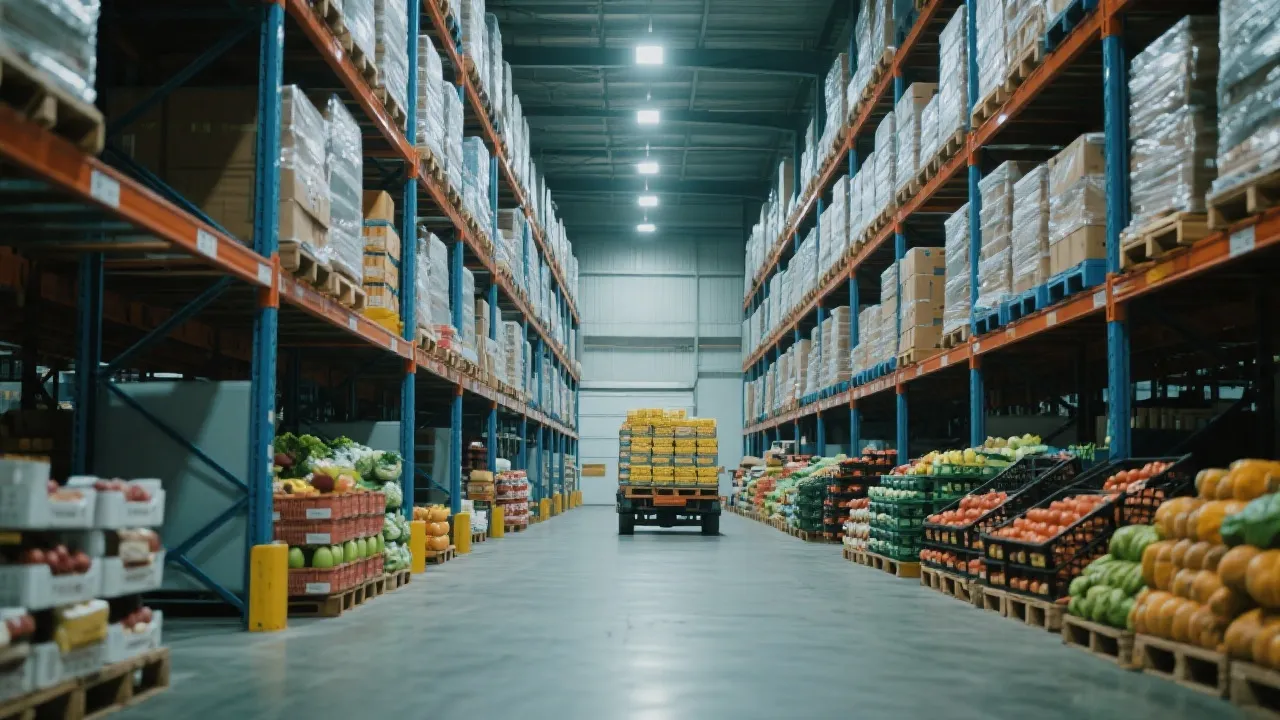
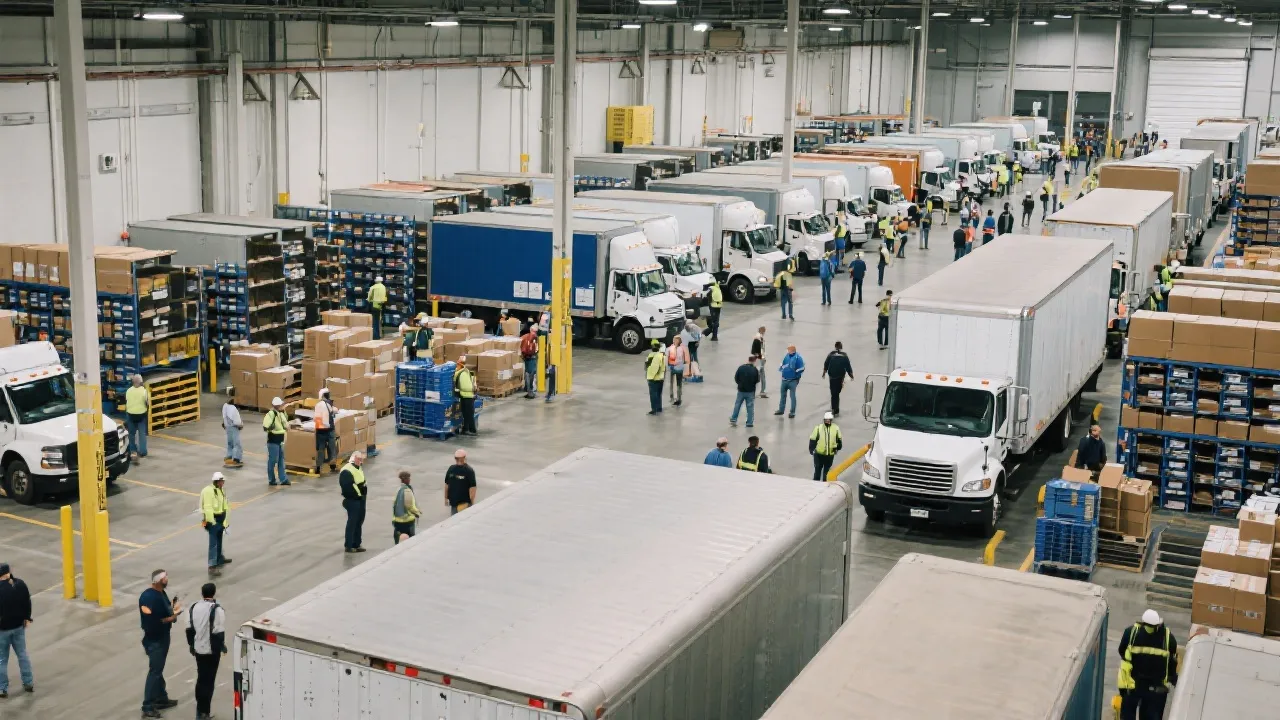
Fresh Logistic involves the meticulous management of perishable goods from production to consumption, ensuring freshness and quality throughout the supply chain. This field is pivotal in the transportation industry, demanding precise coordination, state-of-the-art technology, and an understanding of market demands for efficient delivery and minimal waste.
Understanding Fresh Logistic
The term "Fresh Logistic" refers to the specialized field of logistics that handles perishable products, ensuring they maintain their quality and freshness from the point of origin to the final consumer. This sector, critical within the food supply chain, involves complex processes such as temperature control, efficient routing, and timely delivery. Logistics in this context does not just pertain to the physical movement of goods but also encompasses the comprehensive planning and management processes that maintain perishable items' safety and integrity throughout the supply chain.
In today's global economy, the increase in consumer demand for fresh food products has further emphasized the importance of efficient fresh logistics. With the rise of e-commerce and immediate delivery expectations, logistics has to adapt to new realities, ensuring that fresh produce reaches consumers as quickly as possible without compromising quality. Fresh Logistics encompasses every step of the product's journey: from farms and production facilities to warehouses, distribution centers, and finally, to retail outlets or directly to consumers’ homes. This holistic approach is essential to meet the rigorous quality standards and consumer expectations of the perishable goods industry.
Key Components of Fresh Logistic
To maintain the integrity of perishable goods, Fresh Logistic operations rely on several crucial elements:
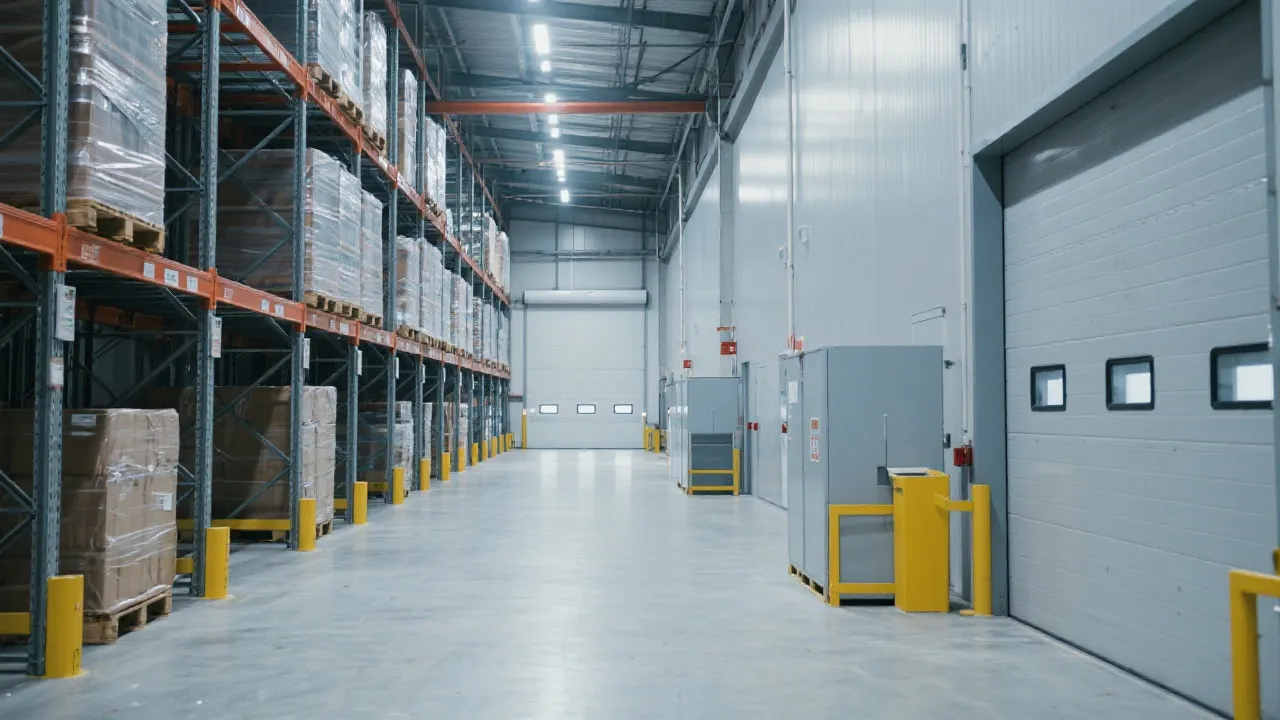
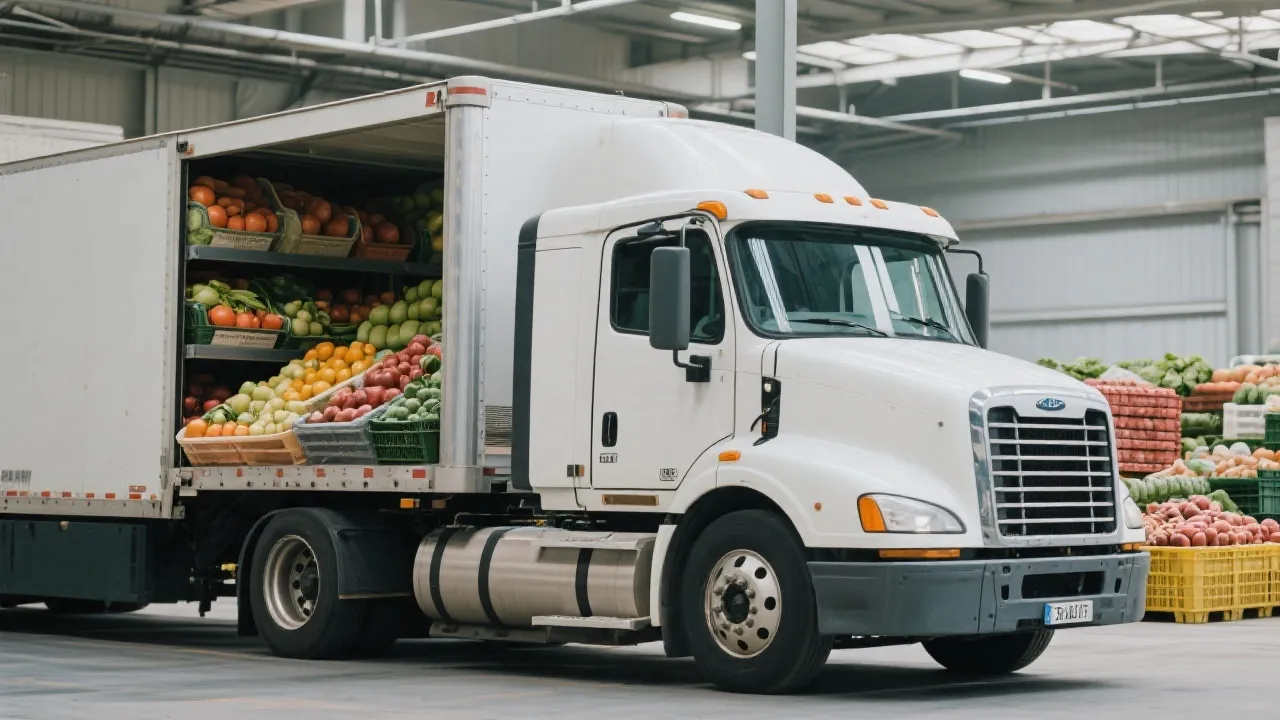
- Temperature Control: Using refrigerated vehicles and warehouses to maintain ideal temperatures for different products is paramount in preventing spoilage. These vehicles and storage facilities, often referred to as cold chains, are designed to transport food items such as dairy, meat, seafood, fruits, and vegetables at temperatures that inhibit the growth of harmful bacteria and preserve the quality of the products.
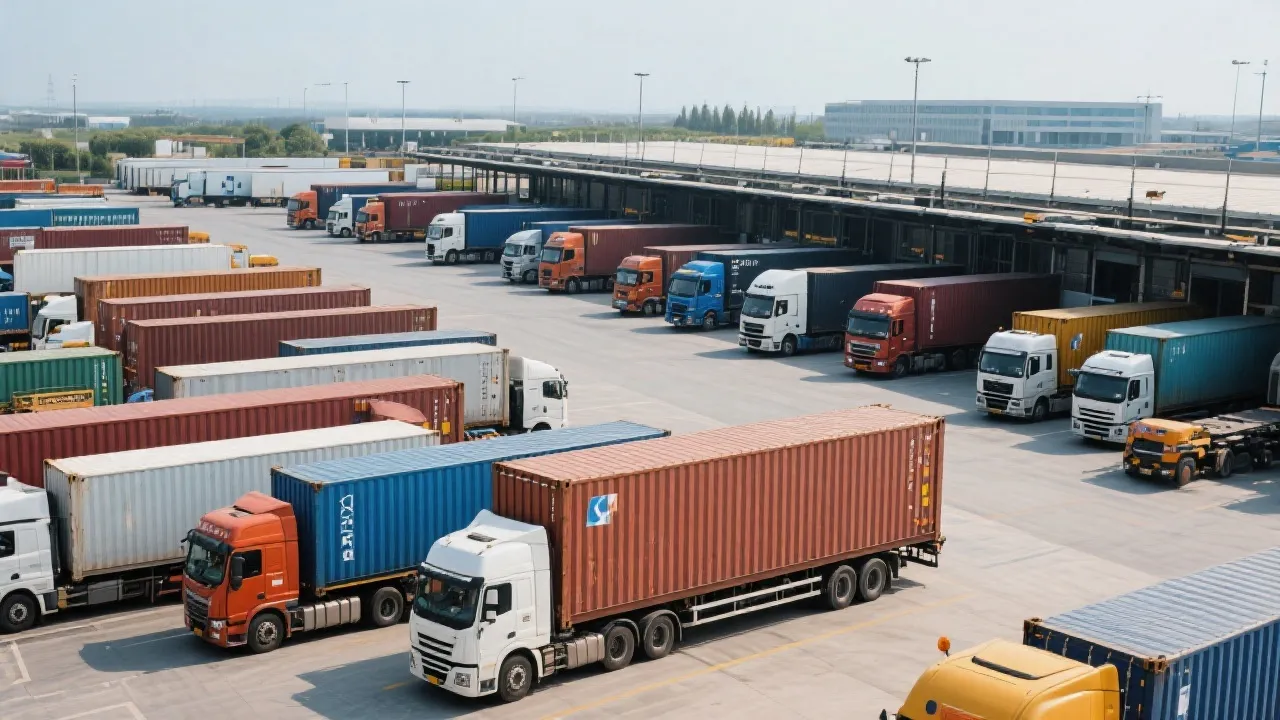
- Efficient Transportation: Planning routes that minimize travel time and ensure quick delivery is essential. This often requires advanced route optimization software and algorithms that help logistics companies identify the best paths to take, taking into account various factors such as traffic conditions, weather patterns, and even roadwork. Efficient transportation reduces not only the time products spend in transit but also their exposure to variables that could compromise quality.
- Advanced Technology: Implementing tracking systems and IoT devices to monitor and manage shipments in real-time can significantly enhance the logistics process. These technologies allow for constant monitoring of the conditions surrounding perishable goods, ensuring that temperature and humidity levels are always optimal. Furthermore, they facilitate timely interventions in case of any deviations from prescribed conditions, thus preventing spoilage.
- Regulatory Compliance: Adhering to safety standards and regulations is crucial to prevent contamination and spoilage. Regulations set forth by various government bodies, such as the Food and Drug Administration (FDA) in the United States, dictate how food products must be handled, treated, and transported. Compliance not only protects consumers but also helps companies avoid costly fines and legal repercussions.
Successful implementation of these components minimizes waste, maximizes product quality, and ensures customer satisfaction. For example, a famous global food delivery service has adopted a strict cold chain management system, ensuring that all perishable items maintain temperature standards during transit. Their use of advanced analytics has allowed them to reduce spoilage rates dramatically and improve customer satisfaction ratings.
The Challenges Facing Fresh Logistic
Managing a Fresh Logistic operation is fraught with challenges:
Time Sensitivity: The greatest challenge is the product's shelf life, which demands prompt handling and delivery. An interruption in the cold chain, even for a short time, can result in significant losses, particularly for highly perishable items like seafood or certain fruits. Because of this, logistics providers need to be constantly vigilant, ensuring timely dispatches and deliveries.
Cost Management: Balancing cost with technological investments such as refrigerated trucks and storage facilities can be difficult for businesses. The initial investment in temperature-controlled logistics can be high, and smaller companies may struggle to afford the same level of infrastructure as larger firms. However, companies must also consider the long-term savings gained from reduced waste and increased customer loyalty due to superior product quality.
Demand Fluctuations: Companies must anticipate and react to seasonal changes in demand to optimize their supply chain operations effectively. This often requires sophisticated forecasting methods and a responsive supply chain strategy. For instance, demand for fresh produce can vary greatly during holidays or local festivals, necessitating strategic inventory management and logistics adjustments to meet those fluctuations while minimizing waste.
Additionally, unforeseen challenges such as natural disasters, pandemics, or geopolitical tensions can disrupt the supply chain, leading to sudden changes in demand or supply shortages. This unpredictability requires logistics managers to have robust contingency plans to mitigate potential risks and adapt quickly to changing circumstances.
Innovative Solutions in Fresh Logistic
Technological advancements are transforming Fresh Logistic in dynamic ways:
- Artificial Intelligence: AI optimizes route planning and predicts demand patterns to improve delivery efficiency. For example, machine learning algorithms analyze historical data to identify trends and patterns, enhancing the accuracy of demand forecasting. This allows companies to adjust their supply chain strategies proactively, reducing excess inventory and minimizing waste.
- Blockchain Technology: Enhances transparency by providing an immutable ledger of the product's journey across the supply chain. This technology allows for end-to-end traceability, as each transaction involving the product can be recorded in real time. As a result, stakeholders can quickly access vital information about a product's provenance and handling history, which is particularly important in the event of a food safety recall.
- Smart Sensors: Devices that offer real-time updates on temperature and humidity, ensuring products are stored in optimal conditions. Smart sensing technology can automatically trigger alerts if environmental conditions deviate from acceptable parameters, allowing logistics companies to take corrective actions promptly.
Innovative solutions extend beyond technology to encompass collaborative logistics practices that bring together various stakeholders in the supply chain. For instance, partnerships between farmers, distributors, and retailers can facilitate more efficient logistics by sharing insights on market demand, enabling better inventory management, and reducing waste across the supply chain. These collaborative approaches create a more sustainable and efficient supply chain that benefits all parties involved.
Comparing Leading Technologies
| Technology | Advantages | Applications |
|---|---|---|
| AI and Machine Learning | Predictive analytics, route optimization | Demand forecasting, efficient resource allocation |
| Blockchain | Enhanced data security, supply chain tracking | Product authentication, fraud reduction |
| IoT Sensors | Real-time environmental monitoring | Tracking temperature, alerting for anomalies |
Future Trends in Fresh Logistic
The future of Fresh Logistic is poised for further innovation:
- Sustainability Efforts: Companies are prioritizing environmentally friendly practices, such as reducing carbon footprints and using renewable energy sources. More firms are adopting electric or hybrid vehicles for their transportation needs, further aligning themselves with the growing consumer preference for sustainable practices.
- Digitalization: The increasing adoption of digital platforms will streamline operations and integrate various supply chain elements seamlessly. Digital solutions not only enhance communication among supply chain participants but also allow for better data analysis and decision-making. Cloud-based logistics platforms are making it easier for businesses of all sizes to adopt digital tools, leveling the playing field.
- Customer-Centric Approaches: Businesses are leveraging data analytics to understand consumer preferences and tailor their services accordingly. The rise of personalized customer experiences has led companies to invest in technologies that allow them to track consumer purchasing behavior, enabling more accurate demand forecasting and inventory management.
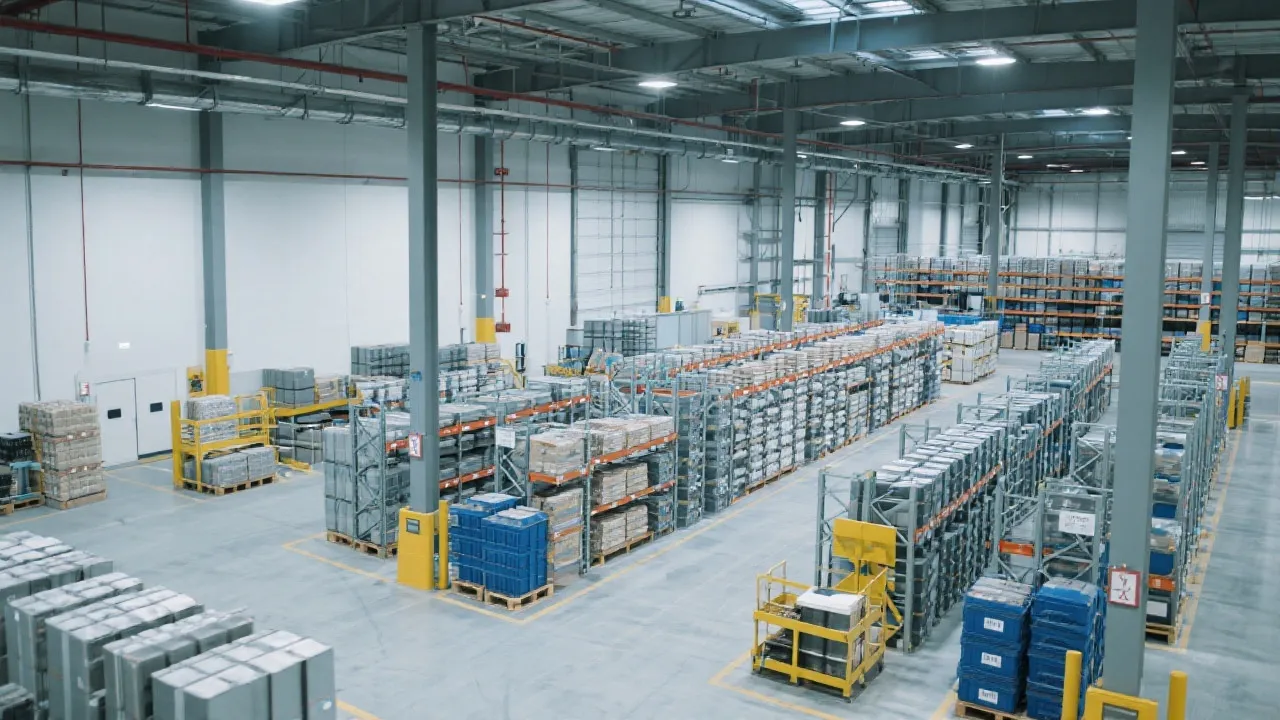
- Automation: Robotics and automated systems are expected to become more prevalent in warehouses, further driving efficiency in order fulfillment processes. Automated systems can help speed up the packing and sorting of orders, ensuring that products are picked and processed quickly without compromising quality.
FAQs
- What is the primary goal of Fresh Logistic?
Its main goal is to preserve the quality and freshness of perishable goods from production to the end-user efficiently. This entails meticulous planning and execution of various logistical components to ensure timely delivery and product integrity.
- How does technology impact Fresh Logistic operations?
Technology enhances precision in temperature control, speeds up delivery times, improves supply chain transparency, and provides valuable data analytics that inform business decisions. Companies leveraging these technologies are better positioned to respond to market changes, consumer preferences, and operational challenges.
- What are common challenges in Fresh Logistic?
Time sensitivity, cost management, and demand fluctuations are key challenges facing this industry. Additionally, organizations must navigate regulatory compliance issues and the need for continuous technological integration.
- How do companies ensure food safety in Fresh Logistic?
Companies implement strict adherence to safety standards, utilize technology to monitor storage conditions, and train personnel in compliance procedures. Regular audits and inspections are conducted to maintain quality and safety at every stage of the supply chain.
- What role does consumer awareness play in Fresh Logistic?
Consumer awareness and demand for quality and sustainably sourced products drive companies to prioritize fresh logistics. As consumers become more conscientious about food safety and origins, businesses that effectively communicate their supply chain practices are likely to gain a competitive edge.
Case Studies in Fresh Logistic
Analyzing successful implementations of Fresh Logistic can provide invaluable insights into effective practices within the industry. For instance:
Case Study 1: Walmart's Grocery Delivery
Walmart has made significant strides in enhancing its Fresh Logistic operations to better serve its grocery delivery customers. By adopting advanced tracking systems and real-time inventory management, Walmart ensures that their produce, dairy, and meat sections meet strict freshness standards. They utilize a mix of proprietary technology and partnerships with logistics companies to streamline their transportation processes. This has led to increased customer satisfaction, as spoiled goods are drastically reduced, and delivery times are optimized.
Case Study 2: Blue Apron
Blue Apron, a meal-kit delivery service, faced distinct challenges in managing their fresh ingredients from suppliers to customers. To address this, they implemented a robust cold chain logistics strategy that included the use of dry ice and insulated packaging for temperature-sensitive items. By leveraging technology to forecast demand and adjust their preparation accordingly, Blue Apron has been able to minimize food waste and increase efficiency. The customer feedback has been overwhelmingly positive, highlighting the quality of ingredients delivered.
Conclusion: The Evolving Terrain of Fresh Logistic
In conclusion, Fresh Logistic represents a critical intersection of logistics, technology, and agriculture. As consumer demands evolve and technology advances, this sector will continue to transform, adapting to new challenges and innovations. Companies excelling in Fresh Logistic are those that not only embrace these changes but anticipate future trends and integrate them into their strategies actively. The path forward is paved with opportunities for further optimization and efficiencies that can redefine how perishables are handled globally.
The integration of sustainable practices and cutting-edge technology will also shape the future landscape of fresh logistics, pushing the industry towards not only meeting consumer demands but exceeding them. Stakeholders at every level of the supply chain must remain agile, innovative, and focused on the end goal: delivering fresh, quality products to consumers while minimizing waste and environmental impact. As the logistics landscape continues to change, collaboration across the supply chain will become more vital than ever in driving success and sustainability in fresh logistics.