Understanding Fresh Logistic Dynamics
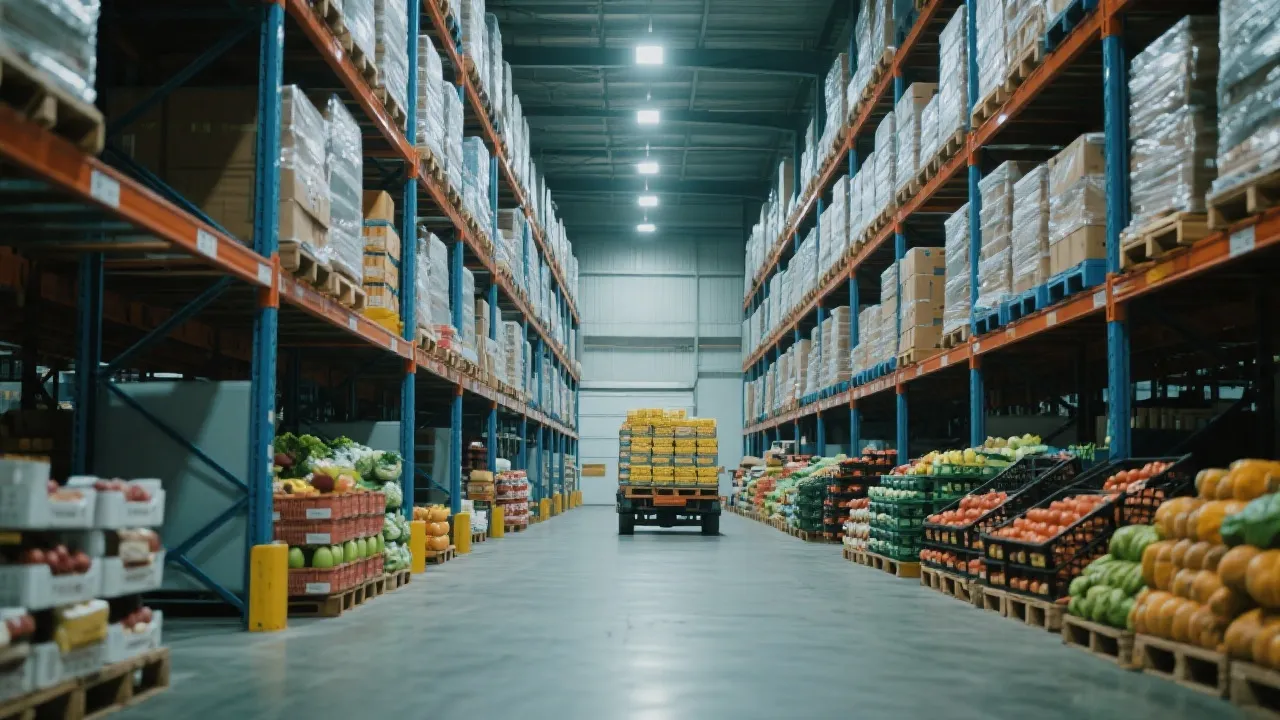
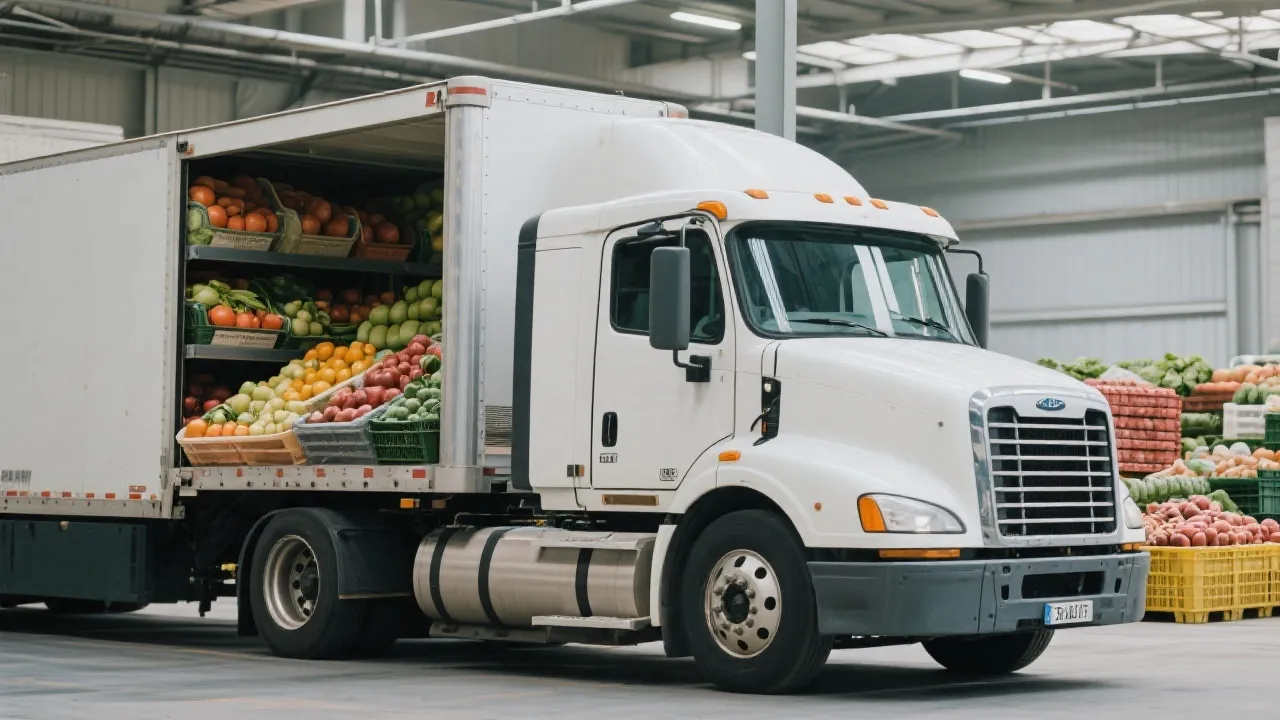
Fresh Logistic involves efficiently managing the supply chain of perishable goods, ensuring freshness and quality from producers to consumers. It requires specialized knowledge in temperature control, packaging, and transportation to maintain product integrity throughout the logistics process. This analysis delves into the key factors driving the industry and explores innovative practices in optimizing these processes.
The Importance of Fresh Logistic
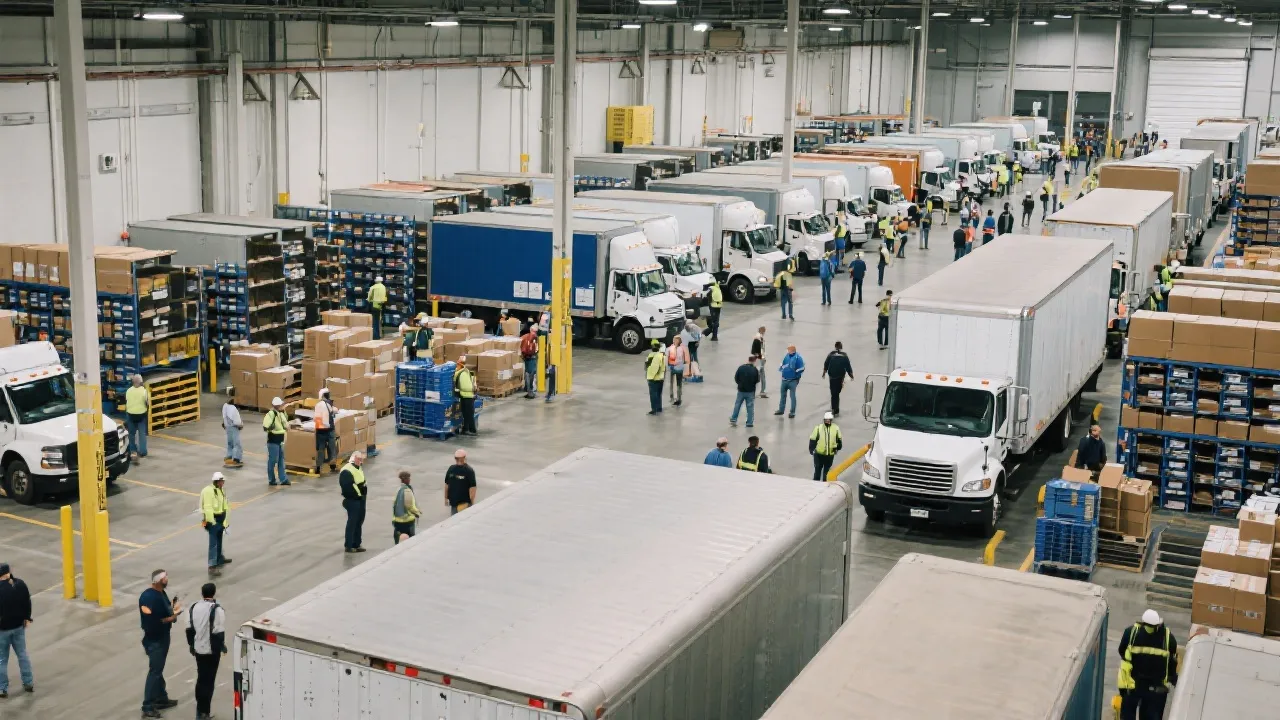
Fresh Logistic is a critical component of modern supply chains, especially for industries dealing with perishable goods such as food and pharmaceuticals. Ensuring that products remain fresh and retain their quality throughout transportation and storage is essential. This article explores the intricacies of Fresh Logistic, shedding light on how businesses manage these delicate operations to meet consumer demands and maintain competitive advantages. As consumer preferences lean towards fresh produce and quality products, the challenge of ensuring freshness has never been greater. This challenge goes beyond just getting products from point A to point B; it involves a comprehensive understanding of logistics, spoilage rates, and consumer behavior patterns.
Core Components of Fresh Logistic
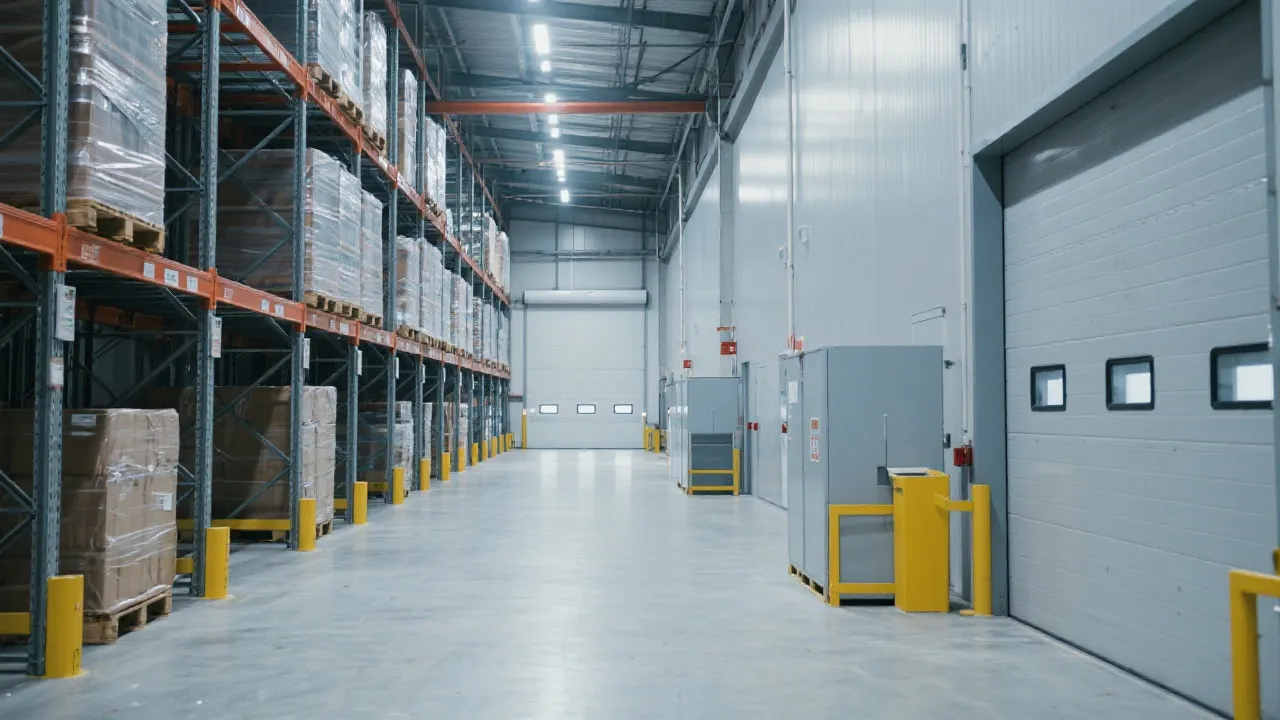
Effective Fresh Logistic revolves around several core components: vehicle and storage temperature control, efficient packaging, timely delivery, and robust supplier relationships. Temperature-controlled logistics, often known as cold chain logistics, is crucial in preserving the quality of perishable items. The cold chain maintains products at a specific temperature from the moment they are harvested or manufactured until they reach the end consumer. This aspect of logistics is particularly vital for the food industry, where temperature fluctuations can have immediate and detrimental effects on product quality, such as texture, taste, and nutritional value.
Ensuring proper packaging not only protects the goods but also helps in maintaining the correct environmental conditions during transit. Packaging materials need to be breathable or insulated as necessary, and must often include features that allow monitoring of the internal environment to mitigate risks. Packaging innovation is another area where companies are investing, employing smart technologies such as temperature indicators that signal whether a product has been kept within designated temperature ranges throughout its journey.
Timely delivery minimizes spoilage risks and maximizes freshness upon arrival. In today’s on-demand economy, consumers expect not just freshness but also fast delivery times. The logistical frameworks established must be robust enough to handle fluctuations in demand while ensuring that products are picked, packed, and shipped promptly. Businesses often deploy real-time tracking systems that allow consumers to monitor the status of their orders, which boosts confidence and satisfaction.
Challenges in Fresh Logistic
The field of Fresh Logistic faces numerous challenges, including maintaining consistent temperature ranges, managing inventory efficiently, and ensuring regulatory compliance. Unpredictable factors such as weather conditions, traffic delays, and equipment failures can disrupt delivery schedules, impacting product quality. In addition to external factors, the complexity of inventory management and demand forecasting can lead to either surplus stock, resulting in waste, or insufficient stock, which can lead to missed sales opportunities.
Ensuring regulatory compliance is yet another layer of complexity that Fresh Logistic providers must navigate. The regulations governing the transportation and storage of perishable goods differ significantly across locations and can change regularly. Businesses must remain vigilant to adhere to laws regarding food safety, including temperature controls, hygiene standards, and proper handling procedures. Failure to comply can not only lead to financial penalties, but also result in devastating damage to a company's reputation.
Innovative Practices in Fresh Logistic
Innovation plays a pivotal role in advancing Fresh Logistic capabilities. The integration of IoT (Internet of Things) technologies has allowed real-time monitoring of temperature and humidity levels within transportation vehicles. Sensors that feed data back to a centralized system enable companies to respond swiftly to any anomalies, allowing proactive measures to mitigate spoilage risks. For instance, if a temperature reading goes beyond a pre-set threshold, logistics operators can reroute shipments or adjust deliveries before significant damage occurs.
Blockchain technology is being explored to enhance traceability, ensuring accountability at every stage of the supply chain. By creating an immutable record of product origins, handling processes, and temperatures experienced during transit, blockchain can enhance consumer trust in perishable products. For instance, customers can verify that their organic produce was grown without pesticides, or that their seafood was caught sustainably, by accessing the blockchain records associated with those products.
Automation and AI-driven predictive analytics help optimize routes, reduce fuel consumption, and forecast demand accurately. Artificial intelligence algorithms can analyze vast amounts of data, identifying patterns in consumer buying behaviors that lead to more accurate predictions of future demand. This advanced level of forecasting empowers businesses to make informed decisions regarding inventory, timing for deliveries, and even pricing strategies, leading to less waste and boosted profitability.
Case Study: A Success Story in Fresh Logistic
Consider the implementation of Fresh Logistic solutions by a leading grocery chain in {nearby}. By establishing a sophisticated cold chain network and employing state-of-the-art tracking systems, the company was able to reduce spoilage rates significantly. They integrated IoT monitoring devices throughout their supply chain, which included not just transportation but also warehousing, allowing them to react instantly to temperature fluctuations and maintain product quality. Furthermore, the company invested in smart packaging solutions that included temperature sensors and indicators that help manage stock efficiently.
As a result of these improvements, the chain was able to reduce food waste by approximately 30%, leading to substantial cost savings. These savings were then reinvested into marketing campaigns promoting their commitment to freshness, which resonated well with consumers. This strategic move not only enhanced their profitability but also boosted customer satisfaction by consistently delivering fresh products. This case exemplifies how leveraging technology and strategic planning can result in a successful Fresh Logistic operation.
| Innovation | Benefit |
|---|---|
| IoT Monitoring | Provides real-time data on product conditions. |
| Blockchain | Improves traceability and accountability in the supply chain. |
| AI Analytics | Facilitates demand forecasting and route optimization. |
| Smart Packaging | Enhances product safety and maintains quality. |
| Automated Warehousing | Increases efficiency and accuracy in stock handling. |
Steps to Optimize Fresh Logistic Operations
1. Assess and Map Supply Chains: Understanding existing supply chain structures and identifying areas for improvement is the first step towards optimization. Conducting a thorough analysis of the entire supply chain process can uncover bottlenecks and inefficiencies that need addressing.
2. Invest in Technology: Implement IoT devices and data analytics tools to improve monitoring and decision-making capabilities. Choosing the right technology partner and ensuring software and devices work seamlessly together is crucial for building a solid foundation for your Fresh Logistic operations.
3. Train Staff: Equip employees with the necessary skills and knowledge on top practices in handling perishable goods. Regular training sessions on food safety regulations, technology usage, and crisis management can help the workforce adapt and maintain high standards consistently.
4. Develop Contingency Plans: Prepare for unexpected issues such as power outages or transportation delays to minimize their impact. Creating contingency plans that outline specific action steps can make it easier to respond to disruptions effectively.
5. Foster Supplier Collaboration: Build strong relationships with suppliers to ensure cooperative efforts towards maintaining quality standards. Engaging suppliers in conversations about best practices can foster innovation and collaboration to meet mutual goals.
FAQs
What is Fresh Logistic? It refers to the transportation and storage of perishable goods, ensuring they remain fresh throughout the supply chain. Fresh Logistic involves everything from the initial handling of products at the source to the delivery of goods to retail locations or consumers.
Why is temperature control vital in Fresh Logistic? Proper temperature control is critical to preserve the quality and safety of perishable products, preventing spoilage and waste. It also tackles food safety concerns directly, ensuring that products remain safe for consumption and meet regulatory standards.
How does technology improve Fresh Logistic? Technologies like IoT, Blockchain, and AI enhance visibility, efficiency, and accuracy in managing supply chains. Each technology contributes to monitoring, analyzing, and streamlining processes to improve overall operations.
What are the consequences of poor Fresh Logistic practices? Ineffective Fresh Logistic practices can lead to increased spoilage rates, compliance violations, loss of consumer trust, and ultimately financial losses. Additionally, they can foster food safety concerns, leading to recalls and public health issues.
How can businesses prepare for regulatory changes in Fresh Logistic? Staying informed about regulatory changes through participating in industry groups, attending conferences, and continually engaging with regulatory bodies can help businesses remain compliant. Implementing adaptive strategies within logistics operations can make adjustments smoother and less disruptive.
Conclusion
Fresh Logistic is an essential aspect of modern supply chains, demanding precision, innovation, and strategic planning. By embracing technological advancements and fostering strong supplier relationships, businesses can enhance their efficiency and reliability in delivering fresh products to consumers. The increasing expectation for freshness, quality, and traceability from consumers underscores the need for meticulous handling of perishable goods throughout the supply chain. As the industry continues to evolve, staying informed and adaptable will be key to mastering Fresh Logistic challenges.
Specific trends, such as the growing demand for sustainable practices and transparency in supply chains, are shaping the future of Fresh Logistic. Companies that adopt environmentally-friendly practices, such as using recyclable packaging or energy-efficient transportation methods, not only improve their sustainability profile but can also appeal to the ethical consumer. Emerging technologies and practices promise to keep Fresh Logistic practices at the forefront of supply chain management, and businesses that commit to integrating and adapting these innovations will likely emerge as industry leaders.