Revolutionizing Fresh Logistic Strategies
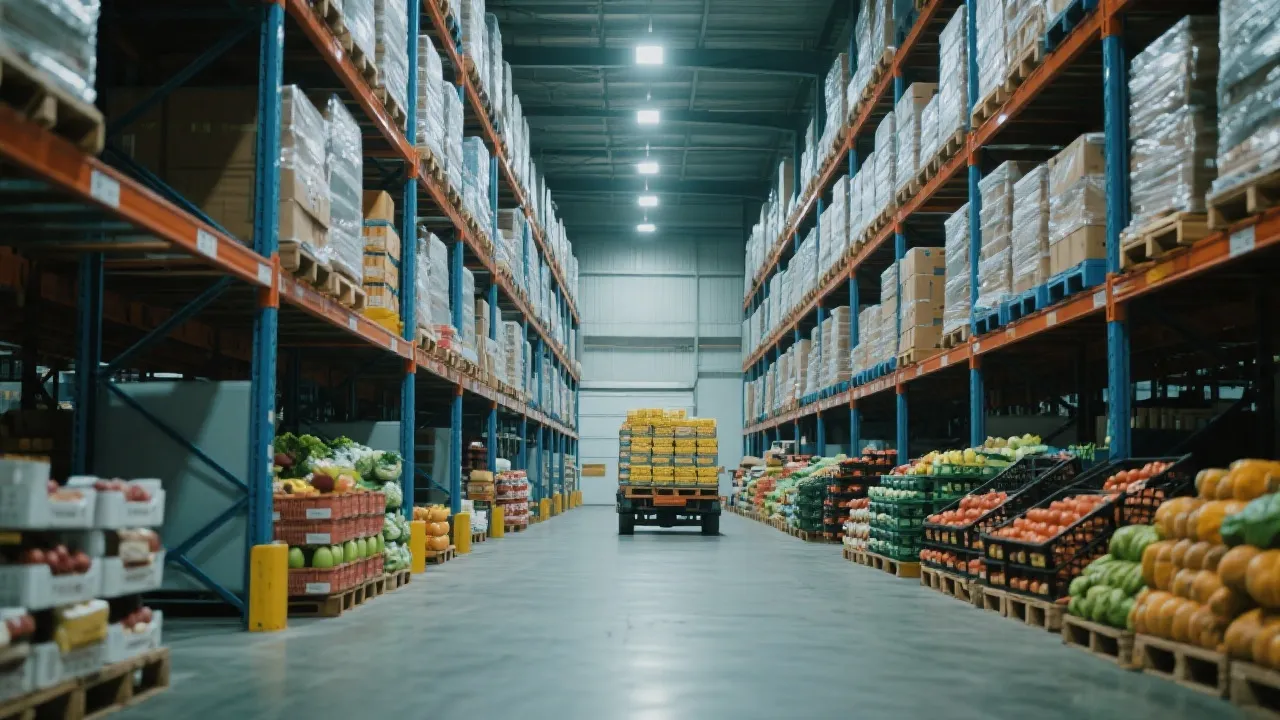
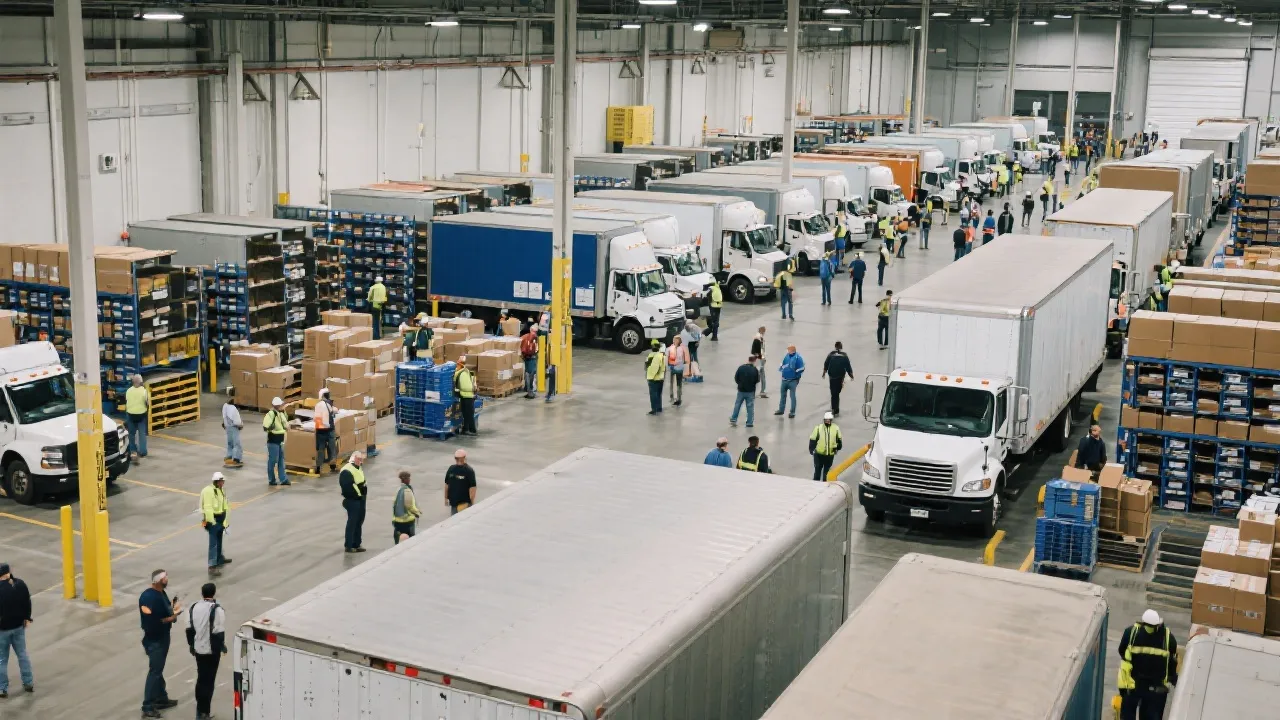
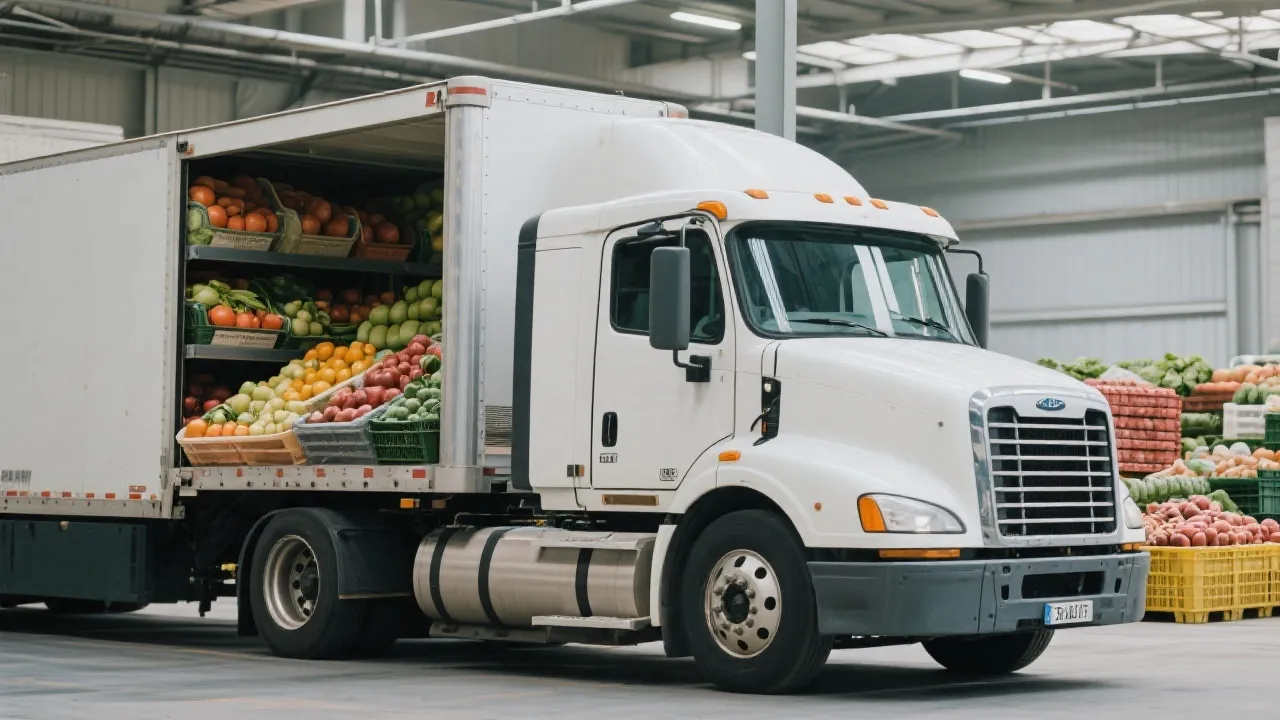
Fresh logistic management involves the efficient handling, storage, and transportation of perishable goods. It plays a crucial role in the supply chain by ensuring products like fruits, vegetables, and dairy reach consumers at peak freshness. Industry advancements are focusing on technology integration to overcome challenges like spoilage reduction and supply chain optimization, fostering sustainability and reliability.
Understanding Fresh Logistic and Its Importance
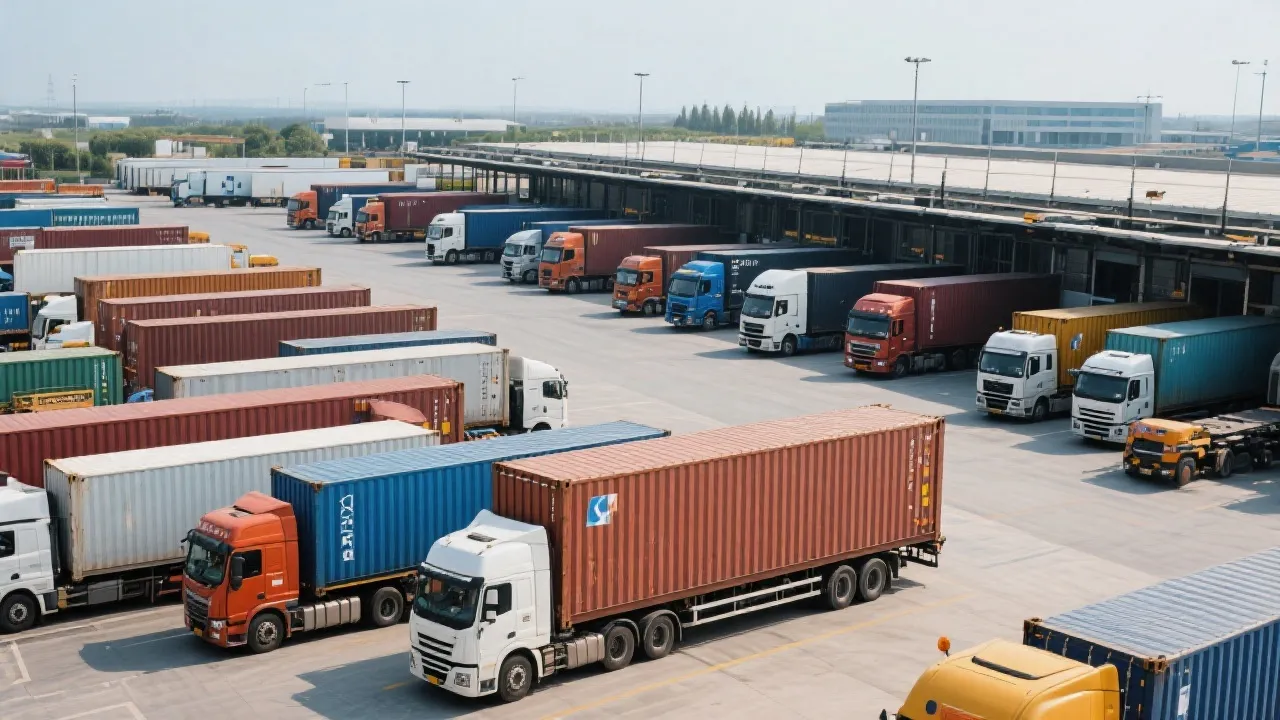
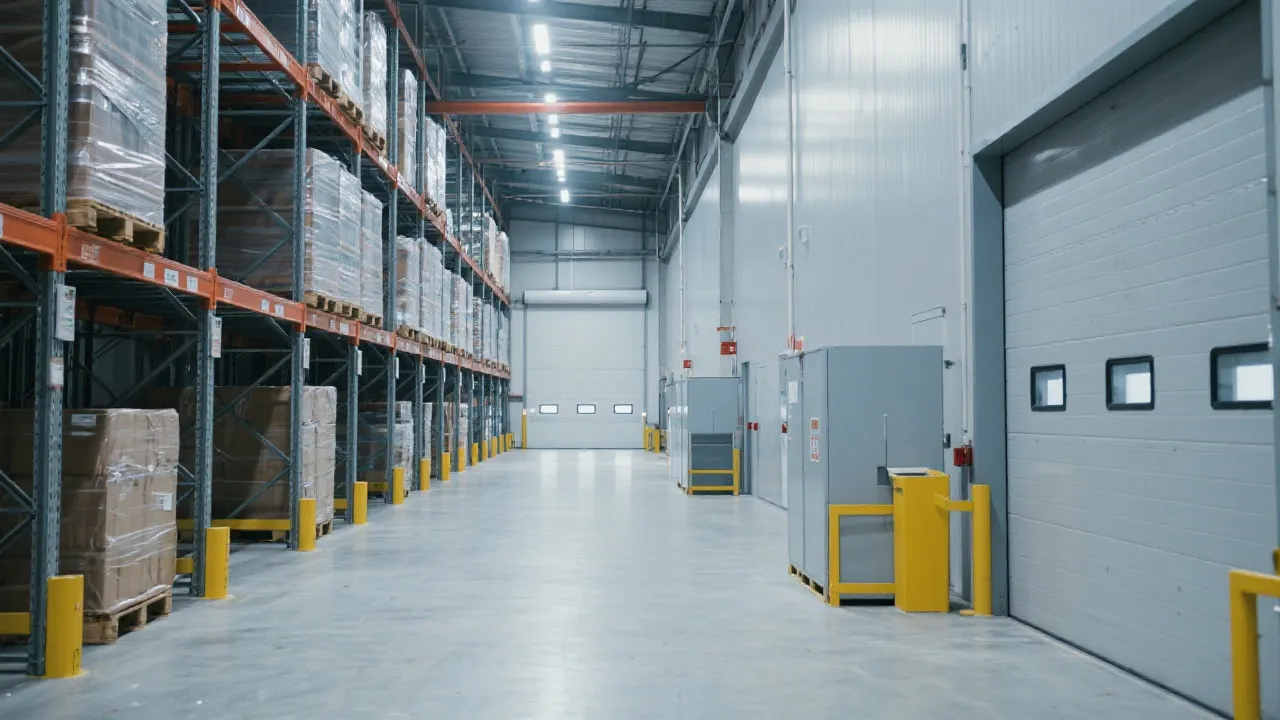
Fresh logistic pertains to the specialized field of managing the movement and storage of perishable goods. This element of supply chain management is vital, as it ensures that products such as fresh fruits, vegetables, dairy, and meat are delivered to consumers while maintaining their quality and safety. Due to the highly perishable nature of these goods, fresh logistic involves not only transportation but also temperature control, packaging, and handling strategies tailored to extend shelf life and maintain product integrity.
In recent years, consumers have become increasingly aware of the importance of the food they consume, leading to higher demand for fresh and organic products. This heightened awareness has brought fresh logistics into the spotlight, emphasizing its role not just in supply chain efficiency but also in health and sustainability. As a result, fresh logistics has transformed from a behind-the-scenes operation to a crucial component of customer service, directly impacting consumer satisfaction and brand loyalty.
Key Components of Fresh Logistic
Effectively managing fresh logistic requires an integrated approach combining several critical components:
- Temperature Control: Refrigerated transport and cold storage facilities are essential to preserve perishable goods. Innovations such as IoT-enabled tracking systems provide real-time data, helping maintain optimal conditions and preventing spoilage. These technologies allow logistics managers to monitor temperature, humidity, and other environmental factors throughout the supply chain, ensuring that goods remain within their ideal conditions until they reach the consumer.
- Efficient Supply Chain Management: Just-in-time delivery systems and precise demand forecasting help minimize inventory costs and reduce waste. By leveraging data analytics, companies can anticipate demand spikes and adjust supply accordingly, preventing both surplus and shortages that can compromise product quality.
- Advanced Packaging Solutions: The use of modified atmosphere packaging (MAP) and vacuum-sealed packaging can significantly extend the freshness of food products. These packaging technologies help efficiently manage oxygen and carbon dioxide levels, slowing down the ripening process, and inhibiting the growth of spoilage organisms and pathogens.
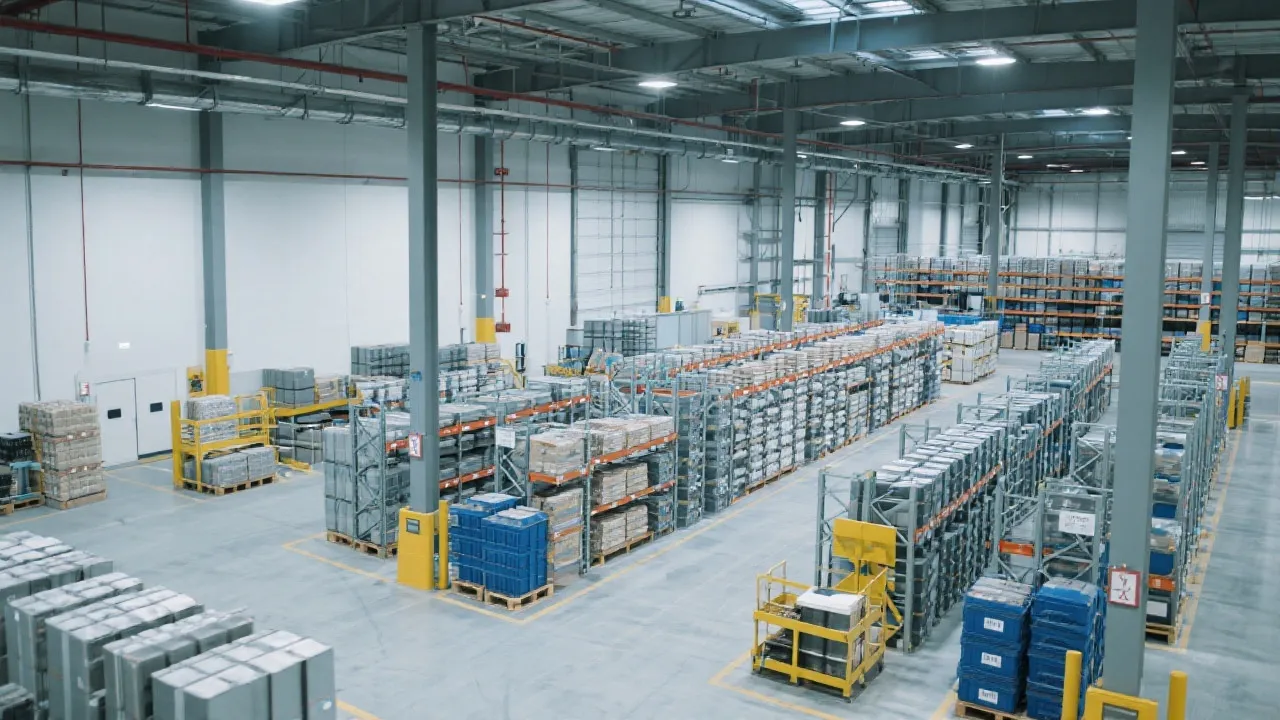
- Automation and Robotics: Automation in warehousing and distribution can improve efficiency and accuracy in handling fresh products. Automated guided vehicles (AGVs), robotics for picking and packing, and advanced sorting systems streamline operations, reduce labor costs, and enhance order accuracy.
- Cold Chain Integrity: Ensuring the integrity of the cold chain is paramount in fresh logistics. From the point of production to retail display, each step in the process must maintain stringent temperature controls. Regular audits and compliance checks are necessary to certify that standards are met and maintained throughout the supply chain.
Technological Advancements in Fresh Logistic
The field of fresh logistic is rapidly evolving with technological advancements aimed at increasing efficiency and sustainability. Companies are investing in technologies like blockchain for traceability, artificial intelligence for predictive analytics, and autonomous vehicles for improved delivery precision. These innovations enhance the overall performance of the supply chain and enable companies to meet the growing demand for fresh products effectively.
Beyond the immediate benefits of improved efficiency and cost savings, these technological advancements have broader implications for consumer trust and food safety. For instance, blockchain technology allows consumers to trace their food back to its source, enhancing transparency and assurance about safety and ethical practices. This level of traceability is becoming increasingly important to consumers who prioritize sustainability and corporate responsibility when making purchasing decisions.
| Technology | Role in Fresh Logistic |
|---|---|
| Blockchain | Enhances traceability and transparency, ensuring food safety and quality. |
| Artificial Intelligence | Improves demand forecasting and supply chain optimization. |
| Autonomous Vehicles | Facilitates efficient and timely delivery of perishable goods. |
| IoT-Enabled Sensors | Provides real-time monitoring of environmental conditions during transit and storage. |
Challenges in Fresh Logistic
Despite advancements, fresh logistic faces several challenges, including fluctuating fuel costs, infrastructure limitations, and regulatory compliance. Additionally, maintaining a balance between cost-efficiency and product quality can be daunting. Challenges such as unexpected weather changes, transport delays, and even changes in consumer preferences can wreak havoc on meticulously planned logistics strategies.
Fluctuating fuel prices can significantly impact the costs associated with refrigerated transport, making it imperative for logistics managers to implement strategies that mitigate these costs. Collaborating with fuel-efficient transport providers, exploring alternative fuel options, or investing in energy-efficient vehicles can help logistics companies manage these variables effectively.
Infrastructure limitations, especially in rural areas, also pose significant hurdles. Many regions are not equipped with adequate cold storage facilities or dependable transport routes, complicating the distribution of fresh goods. Addressing these infrastructure gaps often requires long-term strategic planning, stakeholder collaboration, and potential investments in local logistics hubs.
Furthermore, regulatory compliance is a constant concern. Fresh logistics must adhere to stringent health and safety regulations, which can vary by region. As the industry evolves and food safety standards change, logistics operators must remain informed and adaptable to avoid any risks associated with compliance failures.
Sustainability in Fresh Logistic
As sustainability becomes a critical business imperative, fresh logistic is increasingly focused on reducing carbon footprints. This includes using energy-efficient vehicles, reducing food waste through better inventory management, and opting for eco-friendly packaging materials. Implementing these sustainable practices not only improves environmental impact but also resonates with increasingly eco-conscious consumers.
Moreover, the concept of sustainability extends beyond immediate environmental factors to encompass economic and social dimensions as well. Sustainable fresh logistics promotes local sourcing of products, which not only reduces transportation emissions but also supports local economies and enhances food security.
Sustainability initiatives can also lead to cost savings. For instance, optimizing delivery routes not only reduces fuel consumption but can also increase the efficiency of delivery schedules, providing a dual benefit of sustainability and operational efficiency. Additionally, companies that actively promote their sustainability practices can differentiate themselves in a crowded marketplace, attracting more environmentally conscious consumers.
Best Practices for Fresh Logistic
To effectively implement fresh logistics, businesses must adopt best practices tailored to the unique requirements of perishable goods. Some key best practices include:
- Regular Training for Staff: Employees should receive ongoing training on best practices in handling, storing, and transporting perishable goods. Knowledge of the latest technology, such as how to utilize sensors and tracking systems for optimal temperature control, is essential.
- Continuous Monitoring and Data Analysis: Investing in technologies that allow for real-time monitoring of storage conditions and supply chain performance can help identify potential issues before they escalate into larger problems. Data analytics can provide insights into patterns, helping businesses adjust operations proactively.
- Strong Supplier Relationships: Cultivating solid relationships with suppliers can ensure that companies receive high-quality products and support when issues arise. Collaboration with suppliers enables businesses to integrate their logistics systems more effectively, improving responsiveness and consistency in supply.
- Utilization of Predictive Analytics: Leveraging predictive analytics can better anticipate demand, optimize stock levels, and refine delivery plans. These insights help in fine-tuning inventory management, reducing waste, and improving service levels.
- Implementing Circular Economy Principles: Embracing circular economy practices can lead to innovative solutions for waste management, such as using composted organic waste or repurposing damaged goods. Companies can look at how to recover value from all parts of their logistics chain, contributing to environmental sustainability.
Future Trends in Fresh Logistics
The landscape of fresh logistics will continue to evolve with emerging trends and technologies, shaping how businesses operate in the sector. Some notable trends to watch include:
- Increased Automation: As technology advances, automation will play an even more significant role in fresh logistics. Expect to see expanded use of drones for deliveries, automated sorting, and enhanced robotics in warehouses, enhancing speed and reducing reliance on manual labor.
- Greater Use of Artificial Intelligence: AI will be increasingly integrated alongside IoT devices to streamline logistics processes further. Predictive algorithms will help accurately forecast supply and demand, while machine learning can optimize routing in real time based on traffic and weather data.
- Sustainable Innovations: Startups and established companies alike will continue working towards sustainability. This may include the use of lab-grown products, developing biodegradable packaging, or finding new ways to minimize energy use throughout the fresh logistics supply chain.
- Demand for Transparency and Traceability: As consumer awareness grows, the demand for transparency in the food supply chain will become even more significant. Companies that can provide verifiable data regarding the origins and journey of their products will likely gain a competitive edge.
- Vertical Integration: Companies may pursue vertical integration strategies, gaining more control over various aspects of their supply chains. This integration could enhance efficiency and profitability by reducing reliance on external partners while improving the management of logistics operations.
FAQs
- What are the essential elements of fresh logistic?
Temperature control, efficient supply chain management, advanced packaging, automation, and cold chain integrity are key components in maintaining the quality and safety of perishable goods. - How does technology play a role in fresh logistic?
Technology enhances various aspects of fresh logistic by providing tools for real-time monitoring, improving traceability, optimizing supply chains, and ensuring timely delivery. - What are the common challenges faced in fresh logistic?
Challenges include transportation costs, infrastructure limitations, regulatory compliance, and maintaining a balance between cost-efficiency and product quality. - Why is sustainability important in fresh logistic?
Sustainability is crucial to minimize environmental impact, reduce waste, and meet consumer demands for eco-friendly practices. - What future trends can we expect in fresh logistics?
Expect to see increased automation, greater use of artificial intelligence, sustainable innovations, heightened demand for transparency, and potential vertical integration in fresh logistics.