Navigating Fresh Logistic Efficiency
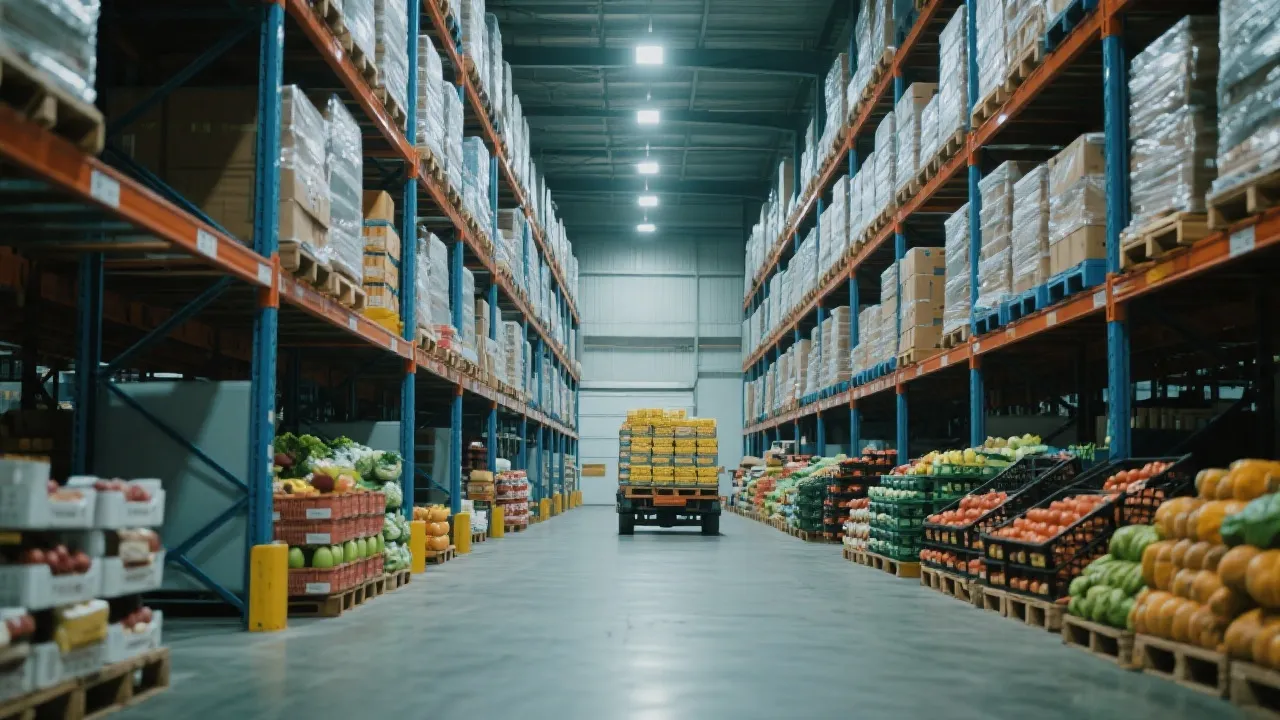
Fresh Logistic refers to the management and transportation of perishable goods, requiring precise temperature control and timing to ensure product quality. This article delves into the strategic operations and challenges presented in the realm of fresh logistics, highlighting key methods for maintaining quality and efficiency in the supply chain. Its effective management is crucial for industries dealing with perishable goods like food and pharmaceuticals.
Introduction to Fresh Logistics
Efficient fresh logistic operations are crucial for industries dealing with perishable goods. With the global demand for fresher products on the rise, this sector has become increasingly competitive, prompting businesses to refine their logistic processes. This article explores the intricate world of fresh logistics, emphasizing strategic operations and the challenges faced in this sector. From temperature management to advanced transportation systems, various facets ensure timely delivery and maintain product quality.
The Importance of Fresh Logistics
Fresh logistics is essential in industries such as food, pharmaceuticals, and floriculture, where timely delivery and quality maintenance directly impact consumer satisfaction and safety. For instance, in the food industry, effective logistical operations can mean the difference between fresh produce and spoiled goods, which in turn affects whole supply chains. An expert in the logistics industry would stress that successful fresh logistics management can prevent colossal losses and enhance customer trust. Moreover, as consumers become more health-conscious, they increasingly rely on logistics providers to ensure that the perishable items they purchase are not only fresh but also safely handled and stored.
Key Components of Fresh Logistics
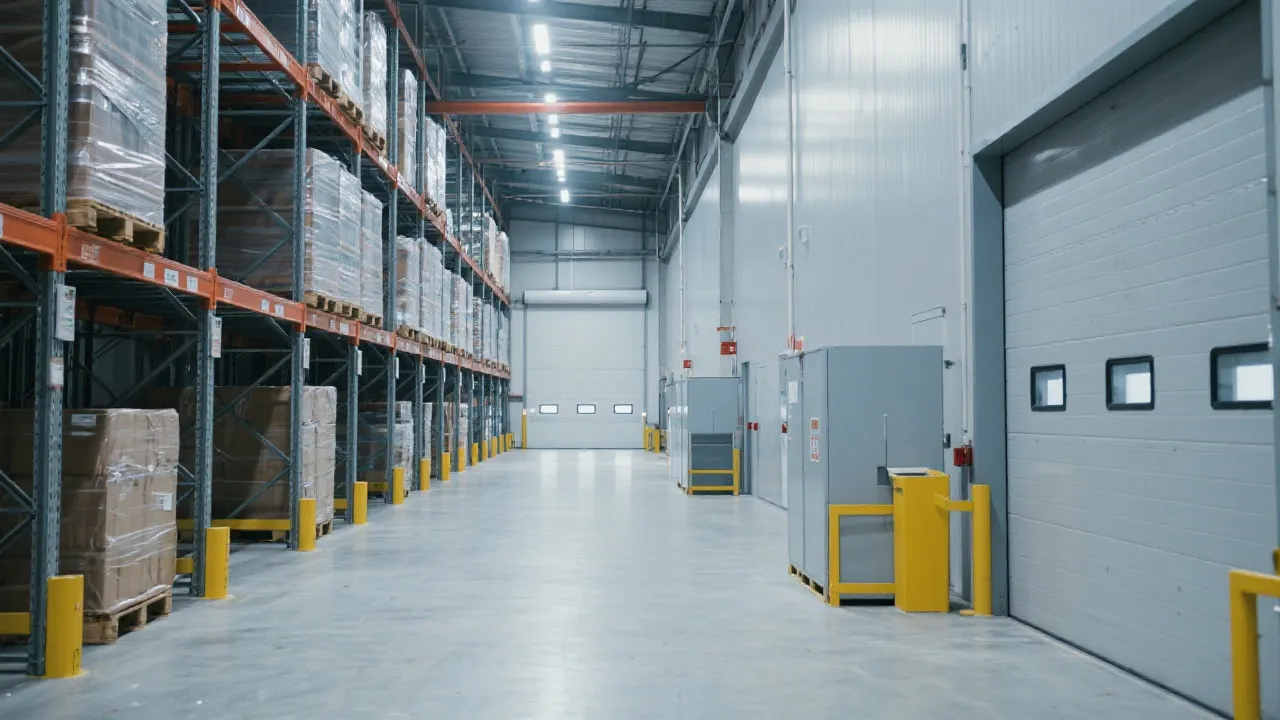
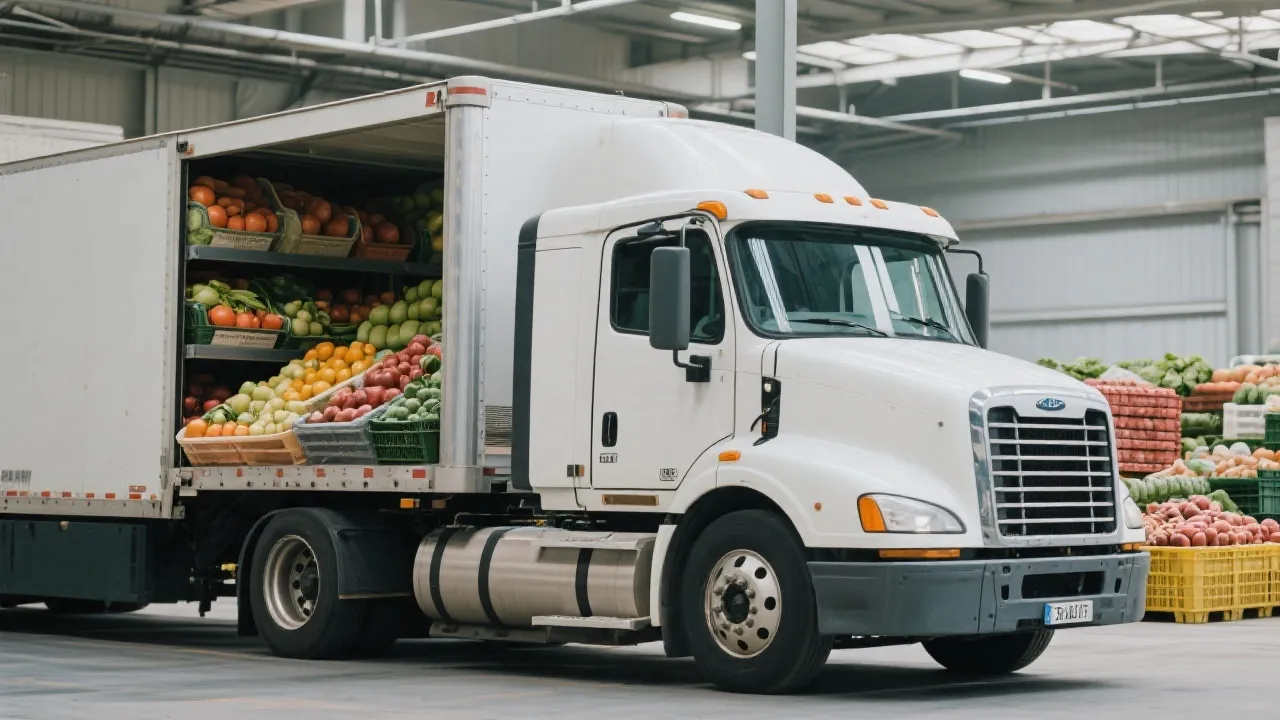
One of the most significant components of fresh logistics is temperature control. It ensures the integrity and freshness of perishable goods from suppliers to consumers. Advanced refrigeration technologies and real-time monitoring systems are vital in achieving optimal temperature conditions. For example, the use of refrigerated transport, cold storage units, and temperature-sensitive packaging materials are critical in ensuring that products such as meat, dairy, and fruits remain within acceptable temperature ranges throughout their journey. Innovative sensor technologies can provide data on temperature variations, allowing logistics providers to react swiftly should issues arise.
Another crucial aspect is route optimization to reduce transportation time and costs. Implementing intelligent software solutions for route planning can lead to significant savings and efficiency. With geographical analysis and historical data, logistics companies can determine the most efficient pathways, minimizing fuel consumption and time spent on the road. This not only saves money but also enables faster deliveries, which is crucial for maintaining the freshness of the products being transported.
Challenges in Fresh Logistics
The primary challenge in fresh logistics is maintaining a consistent and controlled environment for perishables. According to industry experts, fluctuating temperatures, delays, and mishandling can lead to substantial economic losses. For instance, even a minor temperature spike can result in spoilage, leading to product waste and financial implications for businesses that rely heavily on perishable goods.
Moreover, regulatory compliance concerning hygiene and safety adds an additional layer of complexity. Companies must stay updated with the latest regulations to avoid penalties and ensure consumer safety. Regulations can vary significantly by region and market, making it essential for logistics providers to be flexible and knowledgeable about the legal landscape governing food safety and transportation.
Handling a high volume of goods with varying shelf lives also presents a challenge. Effective inventory management systems can help track and manage goods with precision. Technologies such as blockchain can serve as a proactive solution, providing transparency in the supply chain and ensuring traceability from the origin to the end consumer. This not only helps in meeting compliance standards but also in quickly addressing any issues related to product recalls.
Technological Innovations Enhancing Fresh Logistics
Technology plays a pivotal role in overcoming fresh logistic challenges. IoT devices enable real-time temperature and location monitoring, allowing companies to make quick, informed decisions. For example, temperature and humidity sensors installed in trailers or storage areas can relay information to logistics managers about potential risks, contributing to a swifter response if there’s an issue. This technology also reassures consumers about the quality of the products they receive, as they can track the conditions throughout the transportation process.
Artificial Intelligence (AI) aids in predictive analytics and demand forecasting, ensuring that stock levels are optimized and waste is minimized. By harnessing data analytics, companies can predict trends based on previous consumer behaviors, adjusting their logistical strategies accordingly. This can mean scaling up the supply before a seasonal sales peak or reducing inventory to avoid overruns on products with short shelf lives.
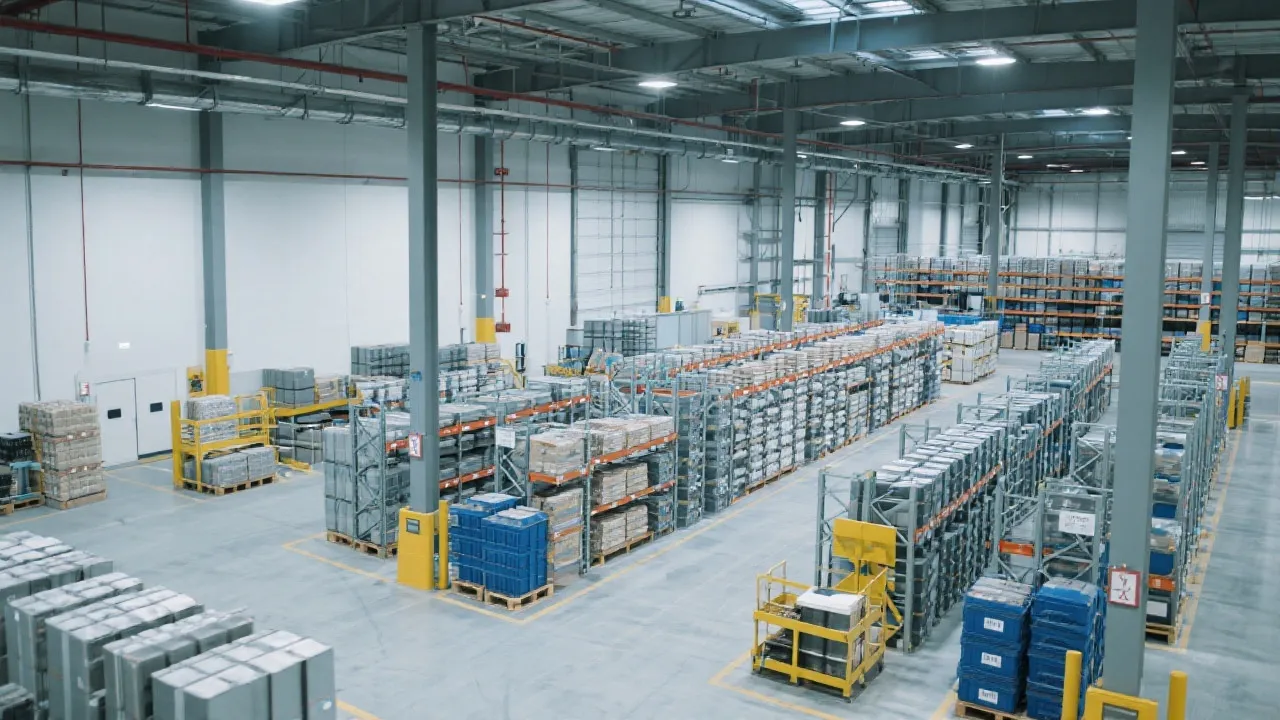
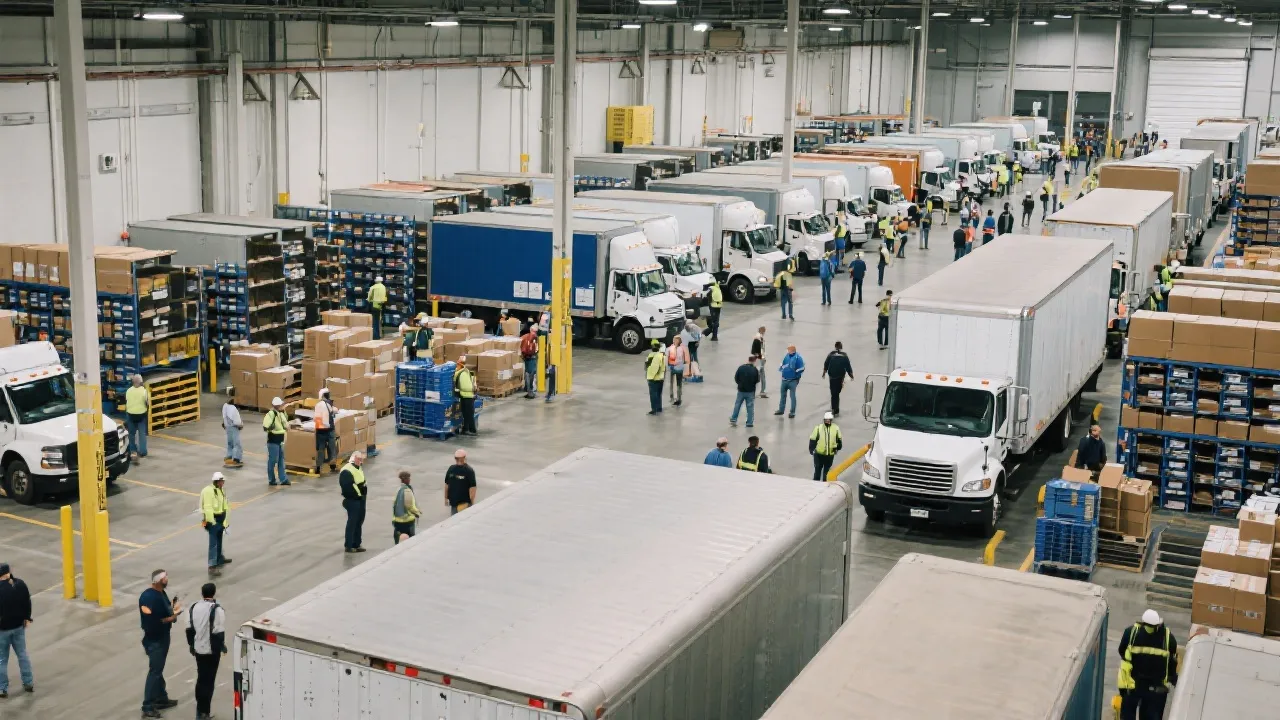
Furthermore, automated sorting systems and robotics are easing the burden of labor in warehouses, streamlining the process of picking, packing, and shipping perishable items. With the introduction of autonomous vehicles, particularly drones and delivery robots, the fresh logistics industry is witnessing an evolution that promises faster and more reliable service.
Implementing Sustainable Practices in Fresh Logistics
Sustainability is becoming a core focus in fresh logistics. Companies are increasingly adopting eco-friendly packaging and energy-efficient transportation methods. For instance, using biodegradable materials for packaging can significantly reduce overall waste, addressing environmental concerns that consumers are increasingly aware of. Additionally, logistics firms are exploring methods to eliminate single-use plastics, opting instead for sustainable alternatives without compromising product protection.
By integrating renewable energy sources like solar-powered refrigeration, logistics providers can significantly reduce their carbon footprint. This practice not only supports environmental goals but also appeals to eco-conscious consumers and stakeholders. For businesses that depend on transportation, transitioning fleets to electric or hybrid vehicles can further diminish emissions, contributing to a more sustainable logistic strategy.
Improving Communication in Fresh Logistics
Effective communication is crucial in fresh logistics, impacting everything from planning and execution to customer service. Clear communication not only ensures that all parties—from suppliers to end customers—are informed about the status of shipments but also plays a significant role in troubleshooting issues as they arise.
For example, integrating platforms that facilitate real-time updates can enhance transparency throughout the supply chain. Technologies such as cloud-based management systems allow all parties involved to access pertinent information from one place. This fosters collaboration and allows for faster resolutions of any delays or issues that arise during transportation. Furthermore, consumer-facing solutions, such as mobile apps that provide shipping updates, enhance the customer experience by keeping buyers informed about when to expect their products and ensuring they receive fresh goods.
Case Studies of Successful Fresh Logistics Implementation
Examining successful implementations of fresh logistics can provide valuable insights for businesses in this space. One notable example is the fresh produce distributor, *FreshDirect*, which utilizes an advanced logistics network incorporating temperature-controlled vehicles and sophisticated inventory management systems. By analyzing data and adjusting their logistics strategy accordingly, they have successfully minimized spoilage rates and enhanced delivery speed, resulting in increased customer satisfaction.
Another successful initiative can be seen in the pharmaceutical industry with *McKesson*, a healthcare company that has implemented a high-tech cold chain management system. This system monitors the temperature of temperature-sensitive drugs throughout their entire journey, ensuring compliance with strict regulations and maintaining product efficacy. By embracing technology, they have significantly reduced waste and improved overall operational efficiency.
Global Trends in Fresh Logistics
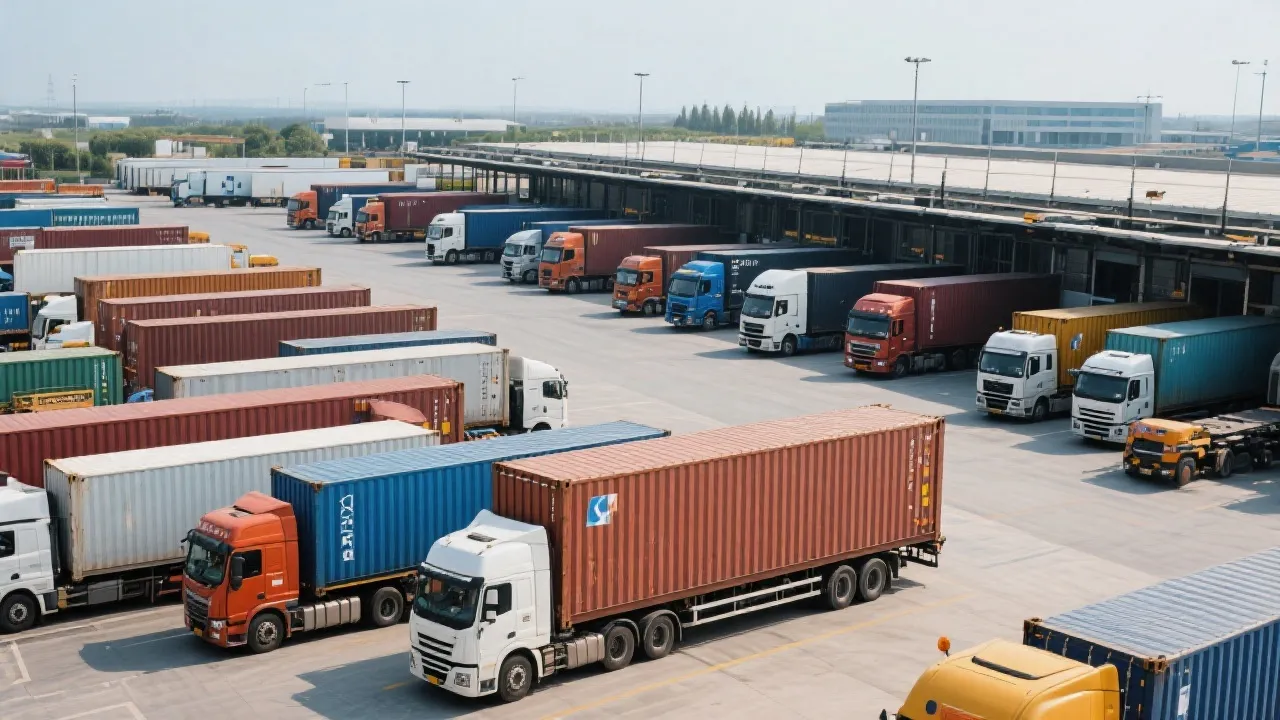
As global trade continues to expand, fresh logistics is adapting to new challenges arising from international markets. One key trend is the growing emphasis on globalization within the fresh logistics sector. As companies seek to source products from around the world, fresh logistics must adapt to the complexities of diverse regulatory environments, cultural practices, and market expectations. For logistics providers, this means ensuring that operations are scalable and flexible to accommodate various shipping routes and logistical challenges.
Additionally, the demand for transparency is increasingly shaping fresh logistics practices. Consumers around the world are actively seeking out sourcing information about the products they buy. This has led to logistics operations incorporating blockchain technology, offering enhanced traceability for products as they move through the supply chain. Such transparency not only builds consumer confidence but can also protect companies from potential liability if issues arise with product safety.
Future of Fresh Logistics
The future of fresh logistics is poised for further innovation, driven by both technological advancements and changing consumer demands. As automation continues to revolutionize the industry, more companies will likely adopt AI and machine learning technologies to enhance operational efficiencies and predict consumer trends with greater precision.
Moreover, sustainability practices will only become more prominent as consumers demand low-impact solutions and businesses seek to appeal to an increasingly eco-conscious market. Logistics providers will likely further explore circular economy principles to reduce waste through innovative design, reusability, and recycling practices.
As the logistics sector continues to evolve and adapt, those who prioritize technology, sustainability, and consumer engagement will set themselves apart in a competitive landscape. By embracing these strategic elements and leveraging new solutions, logistics companies can ensure they remain at the forefront of fresh logistics, paving the way for future growth and success.
FAQs
- Q: Why is temperature control crucial in fresh logistics?
A: Temperature control is vital for maintaining the quality and safety of perishable goods during transportation. Without it, products can spoil, leading to economic losses for the distributor and potential harm to consumers. - Q: What role does technology play in fresh logistics?
A: Technology enables real-time monitoring, predictive analytics, and efficient resource management, enhancing the logistics process. It allows companies to respond rapidly to issues, optimizing routes, and improving overall operational efficiency. - Q: How can logistics companies implement sustainable practices?
A: They can adopt eco-friendly packaging, energy-efficient transportation options, and renewable energy sources for their operations. Implementing recycling programs and utilizing technology to minimize waste can also support sustainability efforts. - Q: What are the key challenges faced by fresh logistics providers?
A: Key challenges include maintaining a controlled environment for perishables, ensuring regulatory compliance with safety and hygiene standards, and managing inventory effectively due to varying shelf lives of products. - Q: How do global trends affect fresh logistics?
A: Global trends impact fresh logistics by increasing the demand for transparency, sustainability, and adaptations to international trade regulations. Businesses must remain flexible to meet diverse consumer expectations and ever-evolving market conditions.
In conclusion, the fresh logistic industry is continuously evolving, with technology and sustainable practices at the forefront of enhancing efficiency and reducing environmental impact. Mastery of these elements ensures successful operation within this vital sector, satisfying both regulation requirements and consumer expectations. Through innovation and a commitment to higher standards, the fresh logistics industry can continue to thrive, ensuring that consumers have access to the freshest products possible while promoting sustainability and safety in supply chains around the world.