Exploring France Habitation Near Créteil
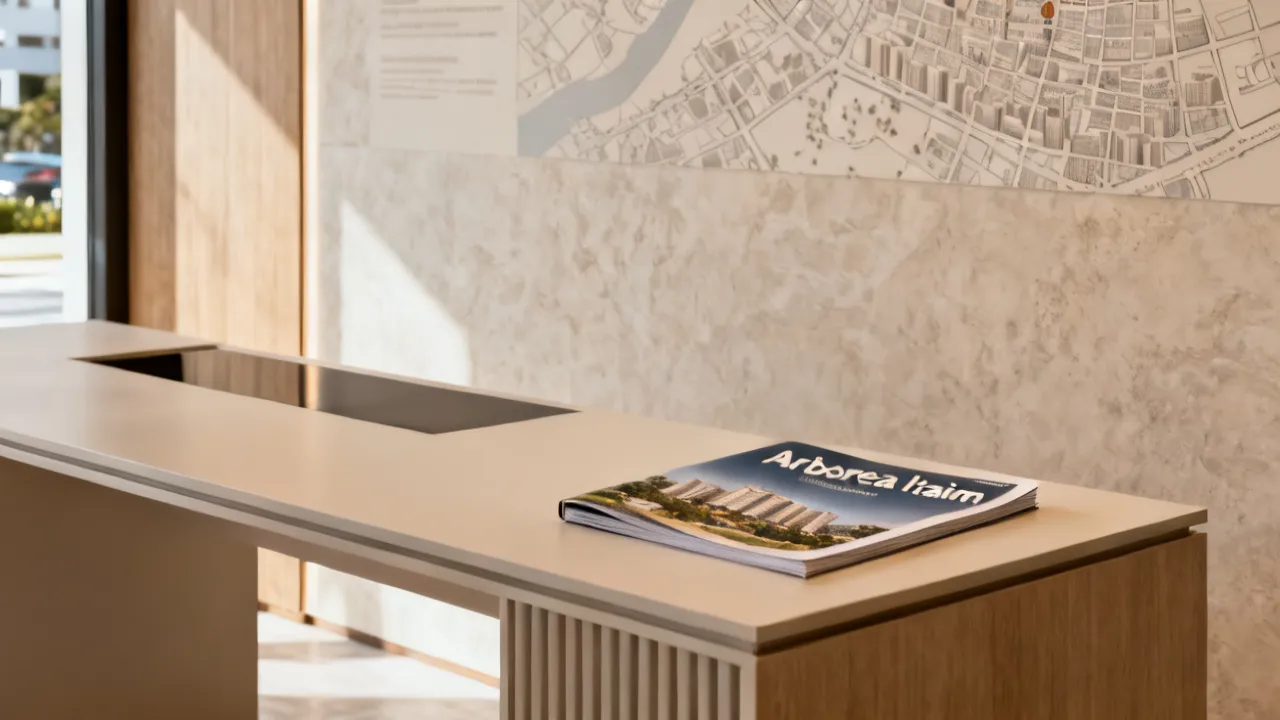
The focus of this article is on the residential landscape of France Habitation near Créteil. This key urban area has seen significant development in terms of housing infrastructure, appealing to both locals and newcomers. Créteil, a vibrant suburb in the Val-de-Marne department, has become a strategic location due to its dynamic community and connection to Paris.
Understanding France Habitation Near Créteil
Créteil, an essential and vibrant suburb nestled in the Val-de-Marne department of France, enjoys a strategic location just 11 kilometers southeast of the bustling capital, Paris. It is not just any suburban area; Créteil represents the harmonious blend of urban living with natural surroundings, making it a focal point for diverse social and cultural activities. Known for its rich heritage, vibrant cultural scene, and modern urban planning, Créteil has long been a hub of residential development, spearheading initiatives like the "France Habitation" project. This initiative is pivotal, reshaping the region’s housing landscape through innovative urban solutions tailored to meet the diverse needs of its inhabitants.
The Evolution of Residential Development
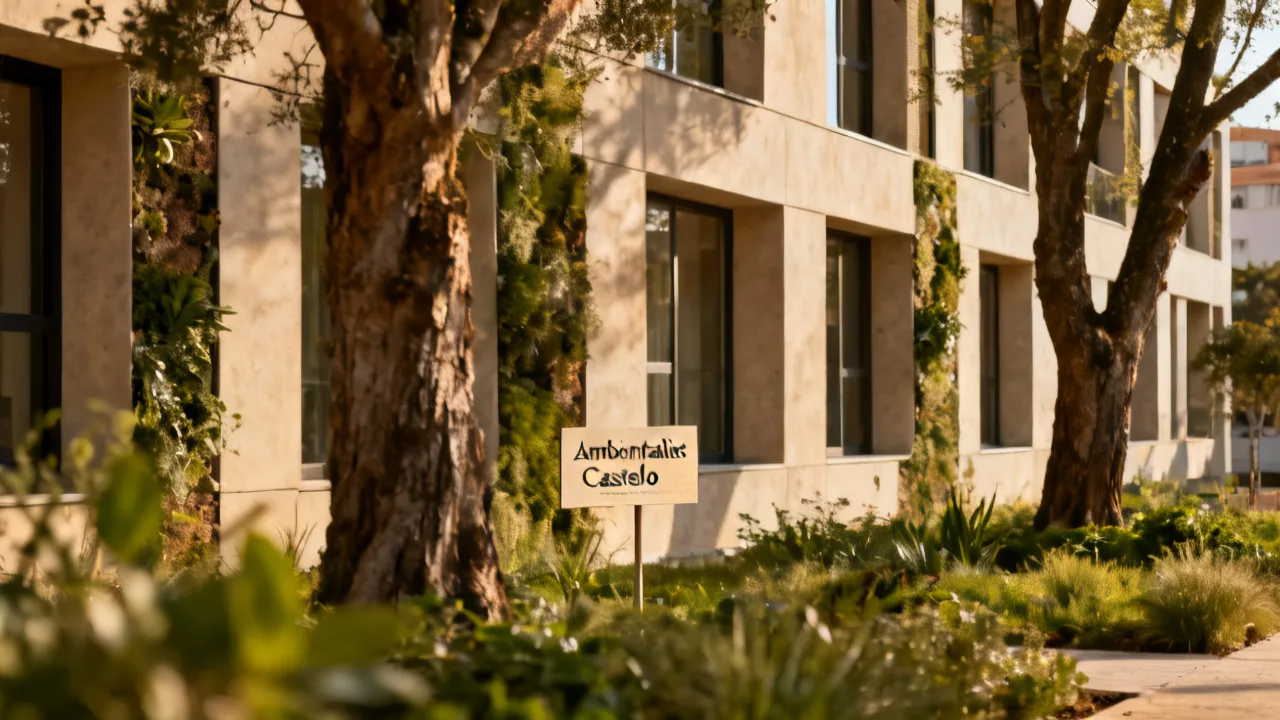
Historically, Créteil’s proximity to Paris has made it an attractive location for urban expansion. This trend has accelerated in recent years, particularly with the advent of the "France Habitation" initiative, which aims to provide contemporary living spaces designed to enhance the quality of life while promoting sustainable development. As part of this vision, developers have focused on integrating modern architectural designs with environmentally friendly features. From eco-friendly materials to energy-efficient facilities, these new habitations aim to create a symbiotic relationship between the built environment and the natural ecosystem.
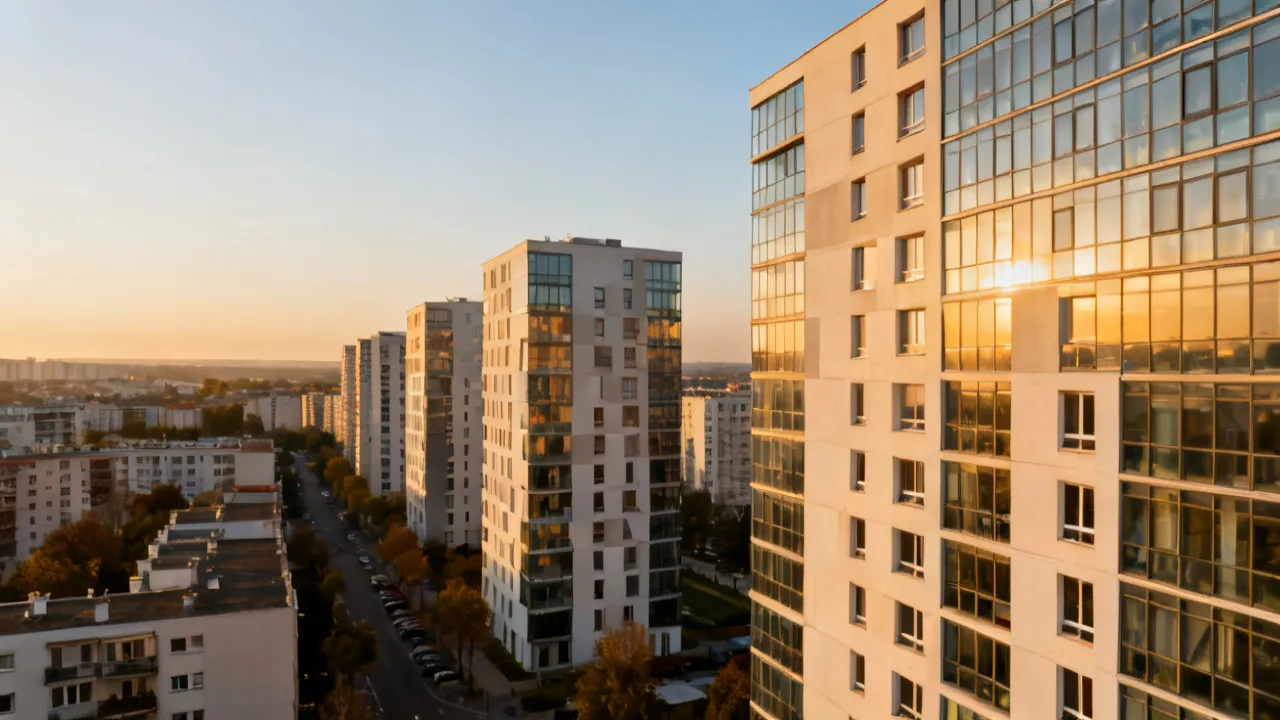
The residential development landscape in Créteil has transformed significantly over the decades. In the 1970s and 1980s, the area saw the construction of high-rise apartment complexes designed to accommodate the rapid urbanization of the Paris metropolitan area. However, as the needs of the community evolved, there was a shift towards creating more sustainable and livable environments. Today, the "France Habitation" initiative is at the forefront of this evolution, blending modern aesthetics with functionality and sustainability.
Additionally, the urban planning in Créteil has moved away from the monotonous designs of the past, embracing diversity in architecture that reflects the cultural richness of the area. The ambitious residential projects not only focus on individual housing units but also emphasize communal spaces that foster social interaction, enhancing community ties among residents. The inclusion of parks, communal gardens, and recreational areas has reshaped the living experience, creating a sense of belonging and identity.
The Role of France Habitation
"France Habitation" plays a critical role in addressing the housing needs of the region. Managed by real estate and urban development experts, the initiative focuses on constructing residential spaces that cater to families, professionals, and students alike. The emerging neighborhoods feature a blend of apartment complexes, traditional houses, and mixed-use properties, supporting a thriving community environment. For example, some residential areas incorporate artistic elements, showcasing local artists and enhancing the cultural fabric of the community. Each unit is thoughtfully planned to offer amenities such as parks, schools, and shopping centers within convenient reach, aiming to reduce reliance on vehicular transport and promote community interaction.
Moreover, the planning and execution of these developments have involved extensive community consultations. This inclusive approach ensures that the voices and needs of current and future residents are directly reflected in the designs and features of these new habitations. Innovations such as shared public spaces, co-working facilities, and local marketplaces are examples of how "France Habitation" is redefining traditional residential living.
Key Features and Amenities
One of the primary attractions of "France Habitation" near Créteil is its emphasis on community facilities. The developments incorporate various recreational and educational amenities designed to nurture a fulfilling lifestyle. Key features include:
- Green Spaces: Large parks and gardens that encourage outdoor activities and contribute to urban biodiversity. These green belts not only provide a space for recreation but also play a significant role in improving air quality and promoting wellness among residents.
- Transport Links: Efficient public transport networks connecting residents to Paris and other regions, enhancing mobility options. The integration of transit systems, such as buses and the metro, simplifies commuting, making it easier for residents to travel in and out of the city.
- Educational Facilities: Proximity to reputable schools and educational institutions, fostering a family-friendly environment. The presence of local educational options, including primary, secondary schools, and higher education institutions, supports the development of a well-informed and skilled community.
- Commercial Zones: Shopping and retail areas integrated within residential blocks, promoting local economy and convenience. These commercial hubs not only offer essential services and goods but also facilitate social interactions as residents gather in community markets and shops.
- Sporting and Recreational Facilities: The initiative includes gyms, sports fields, and community centers that encourage physical activity and social cohesion among residents of all ages.
Environmental Considerations
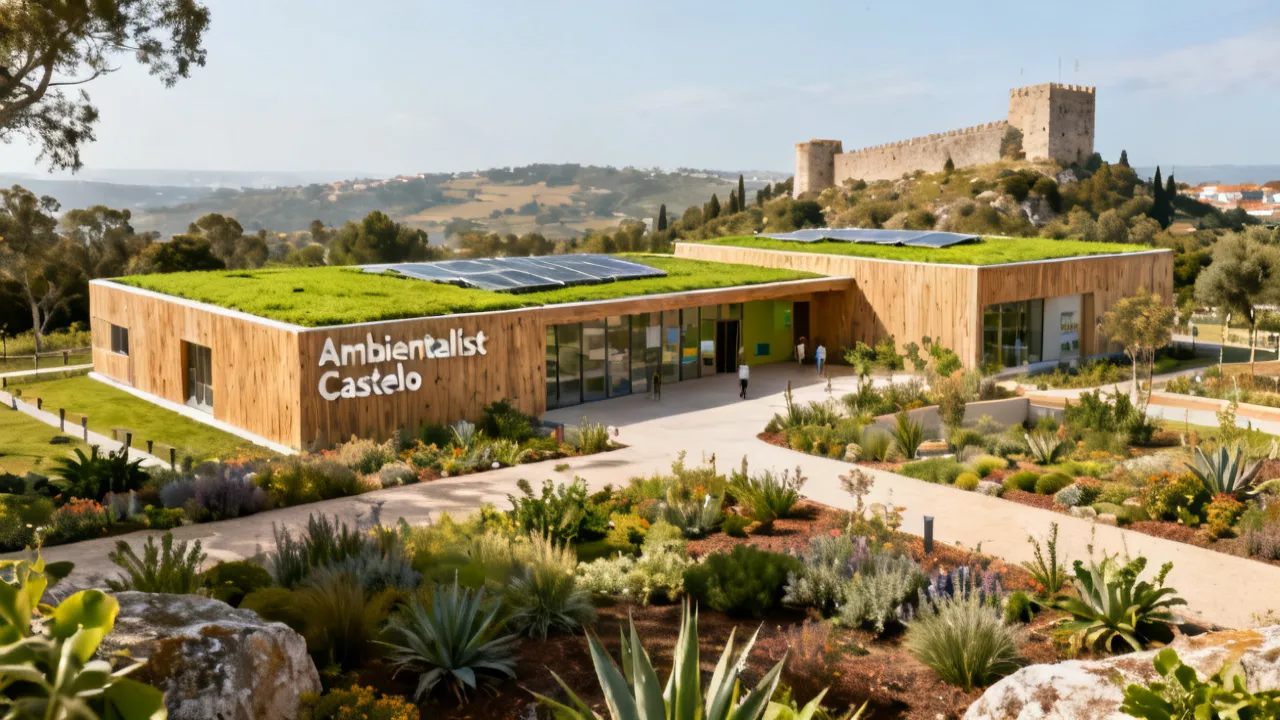
The "France Habitation" initiative embraces sustainable practices, illustrating a commitment to environmental stewardship. Residential buildings often comply with high energy efficiency standards, utilizing solar panels and advanced insulation techniques to minimize energy consumption. More specifically, buildings are often equipped with rainwater harvesting systems and green roofs, significantly reducing water runoff and enhancing aesthetic appeal. These practices not only reduce the carbon footprint but also align with global efforts to combat climate change, making Créteil a model for other urban developments.
Moreover, the initiative also seeks to preserve the existing natural landscapes by integrating them into the urban fabric. Developers work in collaboration with environmental specialists to ensure that construction practices are respectful of local wildlife and plant species. The result is an urban environment that coexists with nature rather than encroaching upon it, creating a more sustainable and enjoyable living circumstance.
This commitment to sustainability extends beyond the physical structures. The "France Habitation" project promotes community programs that educate residents on eco-friendly practices, encouraging them to adopt sustainable habits in their daily lives. From recycling workshops to community gardening initiatives, these programs foster an environmentally conscious mindset among residents, making sustainability a collective effort.
Cultural and Social Impact
Beyond infrastructure, France Habitation near Créteil significantly influences social and cultural landscapes. The diverse demographic blend enriches community life, with residents engaging in various cultural events and festivities. This diversity is not only celebrated but also actively promoted, with events that showcase the traditions and customs of different cultures represented in the area. The area's strong emphasis on inclusivity and diversity fosters an inviting atmosphere for individuals from all walks of life, supporting a vibrant community spirit.
Furthermore, cultural institutions, such as art galleries, theaters, and music venues, have found a place within these developments, ensuring that arts and culture remain integral to community life. Local artists often get opportunities to showcase their work, enriching the cultural tapestry of Créteil and encouraging local participation in the arts.
Community-building events, such as festivals, farmers' markets, and open-air concerts, regularly occur in public spaces, fostering connections among residents. These gatherings not only provide entertainment but also serve as platforms for social interaction, crucial for developing friendships and community bonds. In a world increasingly leaning towards digital interaction, such physical gatherings are vital in creating lasting connections.
The strong social fabric woven through these initiatives promotes tolerance and understanding among residents, contributing to a peaceful and cohesive community identity. Through thoughtful urban planning and community engagement, "France Habitation" has created an ecosystem that promotes a sense of belonging, one that is essential for long-term community resilience.
Investment Opportunities
From an investment perspective, Créteil's evolving residential market presents compelling opportunities. Its strong connectivity to Paris, coupled with a continuous influx of new developments, enhances the appeal for potential property buyers and investors seeking long-term gains. With a growing emphasis on sustainability and smart housing solutions, investments in housing projects adhering to the "France Habitation" model stand to benefit significantly from escalating demand.
Moreover, the demographics of Créteil point towards a steadily increasing population due to the area's attractive living conditions. This migration fuels an upward trend in property values, making it a wise investment choice. The strategic location allows for easy commuting into Paris for work while providing a tranquil living environment away from the city’s bustle.
The anticipated growth in the local economy is also a crucial factor for investors. The integration of commercial zones and local businesses within residential developments stimulates economic growth and job creation. Furthermore, new infrastructure projects are continuously planned, ensuring that property values remain competitive and robust over time.
Investment in sustainable housing, driven by the "France Habitation" initiative, also opens doors for environmentally-conscious investors looking to drive positive change through real estate. With sustainability becoming a priority globally, securing a foothold in an area recognized for its eco-friendly initiatives will not only yield financial returns but also align with ethical investment practices.
FAQs
- What types of housing are available in France Habitation near Créteil? Various options are available, including apartments, family homes, and mixed-use properties, all designed with modern living in mind. The diversity in property types ensures that all family structures and lifestyle choices are catered for, whether one is looking for a cozy apartment or a larger family home.
- How does France Habitation ensure environmentally friendly practices? Through utilization of renewable energy sources, energy-efficient designs, and sustainable materials, ensuring minimization of environmental impact. Additionally, the initiative encourages community engagement in sustainability efforts, providing residents with education on effective eco-friendly practices.
- Are there educational facilities nearby? Yes, Créteil offers a selection of reputable schools and educational institutions, supporting the needs of families residing in the region. The area's commitment to education is evident not only through the presence of schools but also through community programs that foster lifelong learning.
- What makes Créteil a desirable location for residential development? Its proximity to Paris, comprehensive amenities, and vibrant community make it an attractive location for new inhabitants. Furthermore, the area’s focus on sustainability and quality of life contributes to its desirability, appealing particularly to young professionals and growing families.
Conclusion
As France Habitation continues to shape Créteil’s residential landscape, its impact reverberates beyond mere infrastructural development. Balancing modern living with sustainability and community-centric values, it sets a benchmark for future urban projects. For residents and investors alike, Créteil embodies a promising blend of convenience, culture, and environmental consciousness, positioning itself as a modern urban sanctuary. The ongoing transformation led by the "France Habitation" initiative not only enhances the living experience for current residents but also paves the way for future generations to thrive in a nurturing and sustainable environment.
The continued success and development of Créteil’s housing initiatives underscore the critical importance of thoughtful urban planning. By prioritizing sustainability, inclusivity, and cultural richness, the "France Habitation" project serves as a model for urban areas worldwide striving to create livable and sustainable environments. As this initiative progresses, its implications will likely resonate throughout the region, influencing housing policies and urban development strategies in France and beyond. Designed with foresight and care, the living spaces created through "France Habitation" symbolize a commitment to a brighter, more equitable future for all who call Créteil home.