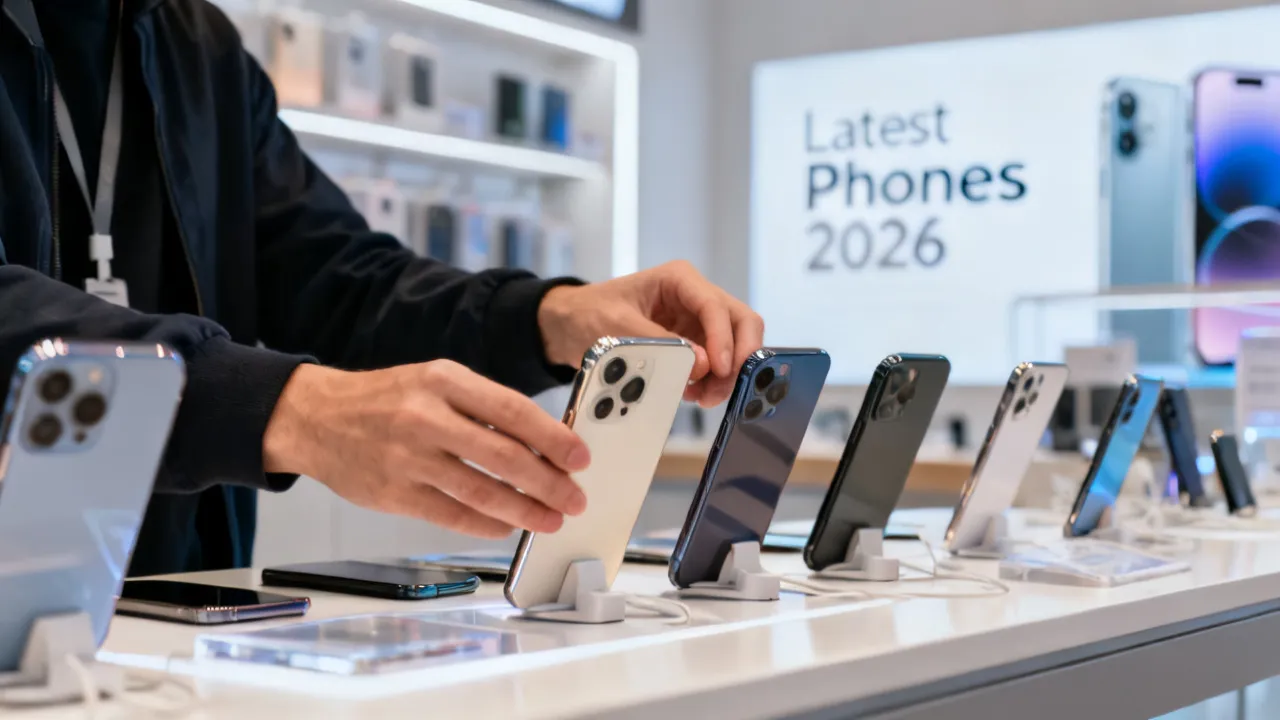
Latest Phones 2026 Guide for Government Phone Programs
This guide explains Latest Phones 2026 options alongside major government-supported phone programs, helping you understand eligibility, application steps, and plan features. It also compares SafeLink Wireless, Assurance Wireless, StandUp Wireless, Access Wireless, and True Wireless. Background context: these programs aim to reduce connectivity barriers through qualifying criteria and provider-defined device and service offerings.
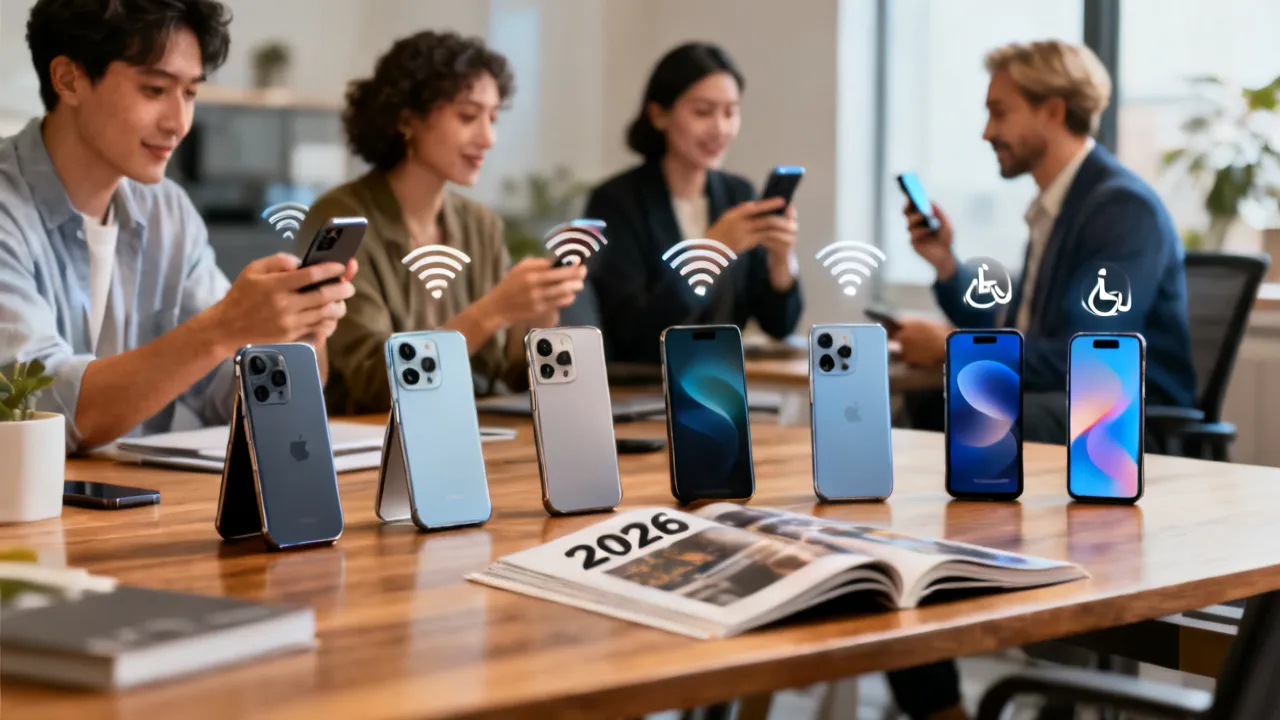
Key takeaways on Latest Phones 2026 and government-supported connectivity
If you’re tracking Latest Phones 2026, it’s easy to focus on camera specs, chipset performance, and battery efficiency. But for many households, “which phone” also depends on eligibility-based wireless programs that can lower upfront costs and simplify monthly service. Government-supported phone programs (commonly tied to Lifeline and the ACP in the U.S.) typically determine whether a qualifying household can receive a subsidized device and a service plan through participating providers.
From an industry perspective, the very important practical difference is not the phone model alone—it’s the program rules, the plan configuration offered through each provider, and the verification path needed to stay enrolled. Providers can offer different device tiers, data allowances, and upgrade options, so you should evaluate the total package (device + service + any upgrade pricing) before choosing.
Key takeaways on Latest Phones 2026 and affordability reality checks
When consumers shop for the newest releases, they often assume “latest” means “best,” and “best” means “worth the monthly cost.” Government-connected phone programs challenge that assumption by introducing constraints that retail shoppers rarely encounter: approved device lists, tiered data plans, and periodic eligibility verification. This does not mean the experience is worse—many users get reliable essential connectivity—but it changes what “best” should mean.
For a household using a government-supported plan, the most valuable features may not be the headline camera resolution or a slightly faster processor. Instead, “latest” can translate into:
- Faster app launch for navigation, school portals, and job applications.
- Better battery efficiency so the phone lasts through a long day without constant charging.
- More storage for learning apps, photos, and document files (especially when you receive form uploads and digital receipts).
- Improved connectivity performance such as stable Wi-Fi calling or better reception under typical conditions.
- Software longevity that reduces the chance your phone becomes unsupported soon after purchase.
However, those benefits only matter if the service plan supports the usage. If a plan caps high-speed data, streaming, video calls, and large app downloads may be limited—even on a premium-feeling handset. For that reason, comparing phones without also comparing plan terms is like comparing cars without checking gas mileage and fuel price.
Government phone programs at a glance (why they matter for choosing Latest Phones 2026)
Government-supported wireless offerings are designed to support qualifying consumers with connectivity for essential communications. While the newest handsets in the broader consumer market often change quickly, government-connected device availability can vary by provider inventory and qualification status. In practice, that means:
- Device selection may be constrained compared with retail: applicants often receive an approved smartphone model or have a BYOD pathway.
- Data may be “planned,” not “unlimited” in the same way as mainstream consumer offers: high-speed data can be limited, and boosts may cost extra.
- Upgrades can be optional: you might pay a surcharge to move to a higher-tier device or larger data bucket.
- Enrollment isn’t a one-time step: ongoing eligibility may require periodic verification depending on the program and state rules.
From a consumer perspective, the above list may sound restrictive, but it can also be empowering: it gives you a defined “affordable baseline.” When you understand the baseline, you can decide whether you need upgrades or whether the included device and plan are enough for your daily life.
What “government-supported connectivity” usually includes (and what it doesn’t)
To make choices with confidence, it helps to understand the practical scope of these plans. Typically, government-supported connectivity includes:
- Essential voice and messaging (often unlimited talk and text).
- A defined data allotment for everyday tasks such as email, maps, messaging, browsing, and app-based communications.
- Network access through participating carriers depending on each provider’s network partners.
What it often doesn’t include:
- Unlimited “premium-speed” data like some retail unlimited plans.
- Guaranteed access to the exact newest models you see in mainstream marketing.
- Any “free upgrades forever” promise; upgrades are frequently tiered and may involve additional payment.
Knowing this upfront can prevent disappointment and help you evaluate “latest phones” in a way that matches real constraints.
Comparison table of participating providers and typical package costs
The following table summarizes major government-phone providers and the core services typically included in their qualifying offerings, along with any common areas where additional costs may apply.
| Provider | Services included in qualifying government phone plans | Possible additional package costs |
|---|---|---|
| SafeLink Wireless | Qualifying households receive subsidized wireless service that can include unlimited talk and text and data that varies by plan/state; options may include a smartphone or BYOD path depending on eligibility. | Premium device upgrades and/or additional data upgrades may incur charges. |
| Assurance Wireless | Qualifying households may receive a affordable Android smartphone with unlimited talk and text and a data allowance structured by plan. | Optional upgrades such as higher high-speed data amounts or additional services (e.g., international calling) may cost extra. |
| StandUp Wireless | Qualifying households can receive a smartphone or use BYOD, typically bundled with unlimited talk and text plus a data plan determined by eligibility and plan availability. | Premium phone upgrades or extra data may be available for a fee. |
| Access Wireless | Qualifying plans commonly include unlimited voice and text plus limited high-speed data; program terms can be associated with Lifeline/ACP-related participation (where applicable). | Data boosts and device upgrades are commonly offered at additional cost. |
| True Wireless | Qualifying households may receive government-supported phones with included voice and data plans that align with eligibility-based program terms. | Optional upgrades to better devices or additional data plans may involve extra charges. |
source: www.safelinkwireless.com | www.assurancewireless.com | www.standupwireless.com | www.accesswireless.com | www.gotruewireless.com
Note: The article uses these provider sources as the basis for the plan-feature summaries above, and providers may update offerings over time.
Additional nuance: “typical package costs” can change based on plan tier and billing structure
When reviewing provider pages, you may see differences in:
- What counts as “high-speed data” versus reduced-speed browsing after an allotment is used.
- Whether data boosts are hourly, daily, or monthly and how that impacts cost.
- Activation fees and any one-time charges at setup (some are waived under certain promotions).
- Taxes and surcharges which can vary by location.
- Upgrade costs at checkout and whether upgrades recur monthly or are billed once.
This is one reason “lowest monthly price” can be misleading. A plan that looks cheaper may require frequent paid boosts. A plan that looks more expensive can turn out cheaper if it includes enough data to avoid overspending.
Eligibility criteria you should check before targeting the latest devices
Very government phone programs rely on household qualification methods that typically include income thresholds and/or enrollment in qualifying assistance programs. According to widely referenced program guidance, eligibility generally centers on:
- Income thresholds tied to federal poverty guidelines (commonly: at or below 135% for Lifeline; and 200% for ACP).
- Participation in assistance programs such as Medicaid, SNAP, SSI, or FPHA (where applicable).
- Additional benefits for Tribal lands, which can enhance eligibility or reduce barriers depending on the program details.
As an expert observer of telecom retail and affordability programs, I recommend you verify two things early: (1) whether your household is within the program’s qualification window, and (2) whether your address and state align with the provider and plan you intend to use. These details can affect device availability and plan configuration.
Why state and address details can matter more than most people expect
Many consumers focus solely on “am I eligible?” But in practice, there are additional “eligibility-adjacent” factors:
- Service area constraints: providers may operate with specific network coverage expectations based on the state or region.
- Inventory availability: some approved handset models may be limited to particular regions or fulfillment cycles.
- Support workflows: verification documents and recertification processes can differ by state or administrator.
This means you can be eligible and still experience friction if you choose the wrong provider for your location or if you submit an address that doesn’t match verification records.
How to apply (step-by-step) for a subsidized phone and service plan
Application processes can differ by provider, but they often follow a similar sequence: submit basic details, verify eligibility, and select the service/device option that the program supports. A practical step-by-step approach is below:
- Confirm program fit: Check whether your household qualifies via income or participation in an eligible government assistance program.
- Gather documentation: Prepare proof that demonstrates eligibility (for example, documentation tied to income or program enrollment). Exact acceptable documents vary by provider.
- Start the application online: Very providers offer online forms; some also allow support through verification tools (e.g., verifiers used in Lifeline workflows).
- Upload or submit verification: After completing the form, you may be asked to upload documents or complete verification through a designated process.
- Review device and plan options: If the program offers device selection tiers or BYOD options, read the plan details carefully to understand data allotments and service terms.
- Finalize enrollment: Submit the application, wait for provider review, and then follow any instructions to activate service.
- Keep eligibility current: Many programs require periodic confirmation. Failing to recertify can lead to service changes.
Practical tips to avoid delays during verification
Even when eligibility is clear, verification can stall due to avoidable issues. Consider these preparation steps:
- Use consistent naming: Ensure the name on your application matches the name on proof documents.
- Have current dates available: If your proof document is older than what the verification tool expects, you may have to resubmit.
- Double-check upload clarity: Blurry images or cut-off pages can delay review.
- Check for household matching: If you share expenses with others, confirm which person is designated on the application per provider rules.
- Save confirmation numbers: Keep screenshots or emails as proof of submission.
These steps aren’t about paperwork for its own sake—they help prevent interruptions, which can be especially harmful when phone service is tied to job searching, scheduling rides, or communicating with healthcare providers.
Provider-by-provider notes (what to expect when pairing government programs with Latest Phones 2026 interest)
Consumers often ask, “Can I get the newest phone from a government program?” The more accurate answer is: you may receive a qualifying handset that can be newer than older models, but the device choice is typically limited by program inventory and eligibility workflow. Here’s what each provider’s structure tends to emphasize.
SafeLink Wireless: program-backed device access and plan variability
SafeLink Wireless is structured to support qualifying households through either a subsidized smartphone route or BYOD pathways. The core service experience usually centers on essential connectivity—unlimited talk and text combined with data that can vary by plan and state. If you want a higher-tier device, you should expect that premium upgrades may involve additional charges.
Expert lens: If your priority is stable day-to-day coverage and predictable essentials (calls, messages, core data), start with the base plan terms rather than browsing for a specific model name. Then consider upgrades only after you understand which data tier applies to your eligibility.
How to think about “device tiers” with SafeLink
When providers offer “tiers,” the meaningful question is usually not “Is this a newer phone?” but “What experiences will the included plan enable?” For example:
- If your household relies on video calling (family members, caregivers, remote appointments), you’ll want to confirm whether high-speed data is sufficient for repeated calls.
- If you rely on maps and navigation throughout the day, even modest data allowances can work if you limit background video or frequent app sync.
- If you frequently download apps or large documents, plan speed and monthly allotment become critical.
Under government-supported plans, a “tier upgrade” often changes both the device and the data profile. The best deal is typically the option that reduces the need for paid boosts rather than the option with the most camera features.
Assurance Wireless: focus on an Android smartphone offer
Assurance Wireless is commonly associated with an Android smartphone offering bundled with unlimited talk and text, plus a data allowance structured by plan. Additional features—such as higher high-speed data buckets or optional services like international calling—can be available as add-ons.
Expert lens: Because Android device generations can vary, check what the included data allowance means for your typical usage (maps, messaging, streaming, school/work portals). A phone “model year” matters less than whether the included plan meets your network needs at the speeds you require.
Android experience in 2026: what matters beyond the spec sheet
For many people on a budget plan, the Android experience is shaped by:
- Update policy: even if the phone is “latest,” long-term security updates matter for safe banking, messaging, and account access.
- Storage management: if the handset has limited storage, incoming photos and app caches can fill quickly, causing slowdowns.
- App performance consistency: entry-level chipsets can handle messaging and browsing well, but video and large file operations may stutter depending on conditions.
- Battery health and charging behavior: a battery that degrades early increases daily stress—especially when a person cannot easily use charging at work or school.
Even within the “latest phones” conversation, these practical factors determine whether the handset feels like a meaningful upgrade to daily life.
StandUp Wireless: smartphone or BYOD with upgrade options
StandUp Wireless commonly provides a smartphone or a BYOD option for eligible applicants. Like other participating providers, plans generally include unlimited talk and text and a data plan determined by eligibility and current program availability. Premium phone upgrades or extra data can be offered at additional cost.
Expert lens: If you already own a compatible device, BYOD can reduce friction. However, compatibility checks and plan constraints still apply—so confirm that your device meets the provider’s technical and account requirements.
BYOD: why compatibility and activation details matter
With BYOD, the key is not only whether the phone “works,” but whether it can be activated without extended troubleshooting. Common BYOD pitfalls include:
- Network compatibility: the device must support the provider’s network bands and standards.
- Account lock status: a phone locked to another carrier may not activate properly.
- Software version requirements: certain activation flows require a particular OS state.
- Accessories and IMEI accuracy: if a device’s IMEI is not recognized or is entered incorrectly, activation can fail.
If your goal is to maximize the value of a “Latest Phones 2026” mindset while still using affordability programs, BYOD can be a strong strategy—if you validate compatibility early. If activation fails, you can lose time at the exact moment you need connectivity.
Access Wireless: voice/text plus limited high-speed data, with boosts
Access Wireless plans typically include unlimited voice and text and limited high-speed data for qualifying enrollees (often aligned with Lifeline/ACP participation rules, where applicable). When users need more capacity temporarily, data boosts and device upgrades can be made available, typically for a fee.
Expert lens: For anyone tracking Latest Phones 2026 features (e.g., improved video capture or faster on-device performance), remember that network throughput can be the bottleneck. If your data plan has limited high-speed allotments, the “latest phone” experience may be constrained by plan speed caps.
How to plan around limited high-speed data (a realistic approach)
Limited high-speed data doesn’t automatically mean “you can’t do things.” It means you must understand how your usage pattern interacts with the plan’s structure. Consider these practical strategies:
- Schedule data-heavy actions around times when you expect Wi-Fi access (home, school, libraries).
- Use Wi-Fi for uploads such as file submissions, video uploads, or photo syncing when possible.
- Adjust streaming quality for apps that can change resolution automatically.
- Disable unnecessary background downloads and limit auto-updates where your plan is constrained.
- Track your usage: if you frequently run out early, you may need to consider a higher data tier or boost strategy.
In other words, the best “Latest Phones 2026” decision might be the phone that makes it easy for you to use Wi-Fi well—rather than the phone that has the most advanced camera module.
True Wireless: government-supported phones and plan configuration
True Wireless offers government-supported devices and service terms for qualifying customers. The enrolled plan often includes voice service and a data component tied to the program structure. Upgrades to better devices or additional data may be available as paid options.
Expert lens: Consider total cost of ownership: if the plan allows paid upgrades, compare the upgrade pricing to what you’d pay at retail for a budget model. For some households, the top value may be keeping the baseline plan rather than paying for higher-tier upgrades.
Total cost of ownership: device, upgrades, and “hidden” expenses
When budgets are tight, total cost of ownership is the real metric. In practice, costs can include:
- Monthly service cost after program support (if any remaining cost exists).
- One-time upgrade fees for higher-tier handsets.
- Recurring add-ons such as international calling or recurring data boosts.
- Accessory needs: a screen protector, case, or charger cables might not be included.
- Replacement risk: if the phone is more fragile without a protective case, incidents can lead to additional spending.
A “best deal” might not be the plan with the most features; it might be the plan that keeps upgrade spending low while meeting your essential communication needs.
How to evaluate Latest Phones 2026 features without missing affordability realities
Consumers researching Latest Phones 2026 often focus on hardware capabilities—camera sensors, display brightness, thermals, and charging speed. In affordability programs, however, the selection workflow and data plan terms can determine whether those features translate into day-to-day usefulness.
Separate “hardware value” from “service value”
A helpful way to shop is to evaluate in two layers:
- Hardware value: Is the phone’s performance adequate for the tasks you do weekly? Does it have enough storage? Will battery life be acceptable? Does it support essential apps smoothly?
- Service value: Does the plan’s data allotment and high-speed profile support your daily usage? Are there affordable options for boosts if you need them? Is coverage stable where you live and travel?
If either layer fails, you may not experience the benefit you expected. For example, a fast “latest” phone can still frustrate you if the plan throttles high-speed data after only a small allotment.
Use this checklist when comparing devices and plans
- Included data and speed profile: Understand whether the plan has limited high-speed data, after which speeds may change.
- Coverage consistency: Confirm network coverage in your area and building types (apartments, basements, commuting routes).
- Device usability: Prioritize battery health, storage capacity, and software update expectations over niche specs.
- Upgrade costs: If you anticipate needing more data or a better device, compare the upgrade pricing against your monthly budget.
- Activation and compatibility: If BYOD is possible, ensure your phone supports the provider’s requirements for service activation.
- Ongoing verification burden: Track deadlines for recertification so you don’t lose service unexpectedly.
Expanded checklist: the “real-life” version of phone and plan comparison
Beyond the initial checklist, you can add more questions that align with how phones are actually used:
- Does the phone support essential security features? Look for biometric unlock and reliable OS security updates.
- Can you access your key apps reliably? Banking apps, school portals, job platforms, and telehealth apps may have minimum requirements.
- Is the Wi-Fi performance adequate? Some entry-level devices have weaker Wi-Fi behavior; if you rely on Wi-Fi, this matters.
- Is battery life consistent under your usage? If you use GPS, messaging, and streaming in the same day, confirm it’s adequate.
- Do you need enough storage for offline access? Maps, saved documents, and offline reading reduce dependence on mobile data.
- Do you need dual SIM or specific network features? Some people juggle devices or use travel SIM plans.
This expanded checklist helps you avoid choosing a phone that meets marketing goals but fails daily expectations.
Industry context: why government phone programs differ from retail “upgrade cycles”
From a telecom market standpoint, mainstream handset cycles move quickly—consumer demand, marketing windows, and component availability drive frequent updates. Government-supported device and service enrollments, by comparison, are constrained by program qualification processes and provider inventory planning. That’s why two households can experience different outcomes even if they apply at the same time: eligibility verification completion timing and the current lineup can shape what’s offered.
Reliable telecom research consistently shows that connectivity affordability is multi-factor: device affordability, monthly service cost, and consistent network access all interact. Government programs aim to address the financial barrier and help prevent “connectivity drop-offs” that can affect employment, healthcare access, and education participation.
Why “latest” may arrive differently in government programs
In retail, “newest phone” is often a specific SKU you can pick on a shelf. In government programs, the “newness” is mediated by:
- Supplier and fulfillment contracts: what devices are available to the provider in that procurement cycle.
- Qualification timing: when the household is verified can influence which device list is available to them.
- Device tier policies: eligibility may set which device tiers you can receive without paying extra.
That’s why two people with identical eligibility could end up with different devices even within the same program—because the program’s “active inventory” changes over time.
Practical scenarios (so you can map plans to your needs)
Below are common use cases people mention when searching for Latest Phones 2026 while also considering government-supported phone options.
- Student or homework-heavy usage: Your success hinges on data performance during peak times. If high-speed data is limited, consider whether boosts or an alternative plan structure is more suitable.
- Family communication focus: Unlimited talk and text reliability can be the primary value. Choose the device that supports stable messaging and adequate storage for school apps.
- Travel and remote work: Network coverage matters more than raw phone performance. Compare coverage in your commuting and work locations.
- Existing device owners: BYOD can reduce upgrade costs. But validate compatibility first so activation doesn’t become a setback.
Additional scenarios you can use to guide decisions
Here are more “realistic” examples that show how device and plan decisions interact:
- Telehealth and appointment reminders: Reliability matters more than camera features. A stable connection for messaging and video calls (if required) can be crucial. If high-speed data is limited, scheduling video appointments over Wi-Fi can help.
- Work communications and job applications: If you upload resumes and complete forms frequently, you may need enough mobile data to avoid constant delays. Consider whether a plan upgrade (or boost plan) better aligns with the time you spend searching and applying.
- Caregiving responsibilities: Caregivers often need fast access to navigation, messaging, and frequent app checks. Battery efficiency and dependable network access under typical routes (home to clinic to school) can be more valuable than the most advanced display or camera sensor.
- Children using the phone for learning: When kids use streaming and homework apps, your data allotment can evaporate quickly. In these situations, a plan with higher included data or Wi-Fi-first strategies can reduce stress.
- Frequent travel between Wi-Fi environments: If you often move between Wi-Fi locations, you might not need large high-speed mobile allotments. Instead, you may prioritize a phone with strong Wi-Fi performance and good battery life.
FAQs about government phone programs and selecting a phone for 2026
1) Can I get a Latest Phones 2026 model through a government phone program?
Availability varies by provider, inventory, and eligibility verification. Government-supported programs may offer newer models compared with older allocations, but device selection is typically not identical to retail choice. Instead of targeting a specific model, review the included plan terms and the device tier offered through the program.
2) What documents do I need to apply?
Commonly, you’ll need proof of eligibility tied to income thresholds or enrollment in qualifying assistance programs. Exact document lists vary by provider and state. Prepare relevant paperwork before starting so the application can be completed without delays.
3) How do I apply—online or by phone?
Very participating providers accept online applications. Some also support verification workflows through designated tools. Start with the provider’s website, then follow the instructions for document upload or verification steps.
4) Are there additional charges if I want more data or a higher-tier device?
Frequently, yes. While qualifying plans include core talk/text and a defined data allotment, premium device upgrades and extra data boosts can be offered for a fee. Review any upgrade options during the application or plan selection stage.
5) Will I lose service if my eligibility changes?
Many programs require periodic confirmation of eligibility. If you no longer qualify or miss required recertification steps, your benefits may change. Keeping your enrollment information current is essential.
6) If I already have a phone, can I use it?
Some providers offer BYOD pathways for qualifying applicants. The device must meet compatibility requirements for activation on that network and plan. Confirm compatibility before relying on BYOD.
Additional FAQs people ask when comparing “latest” phones on affordability programs
7) What should I test after I receive my phone?
After activation, you can verify that the phone and plan work as expected by doing a short “connectivity and app” check: test calling and texting, confirm mobile data speeds at least briefly, check Wi-Fi stability, and confirm access to your key accounts (email, messaging apps, school/job portals). If anything doesn’t work immediately, address it early—before you forget which step in setup caused the issue.
8) Does a “latest” camera matter if I’m on a data-capped plan?
The camera quality matters for capturing photos well, even on limited plans. However, the “workflow” you use—like uploading to cloud storage, sending high-resolution images over data, or using video calls—can consume data quickly. If your plan limits high-speed data, the phone’s camera still helps you take good images, but you may want to upload them over Wi-Fi rather than relying on mobile data every time.
9) Will I be able to use popular apps like Google Maps, WhatsApp, or banking apps?
In most cases, yes—especially when the device is a modern Android model. But you should still check that the phone supports required OS versions and security requirements. Banking apps may refuse to run on severely outdated software. The safest approach is to ensure the device can update its OS and security patches and that you can access the app store and update apps after activation.
10) How can I manage data to make the most of my plan?
You can reduce data stress by using Wi-Fi for large downloads, limiting auto-play on video apps, and turning off background refresh for apps that you don’t need while on cellular data. Also, you can set lower streaming quality if the apps you use support that option. If your plan allows it, you can monitor remaining high-speed data and plan data-heavy activities accordingly.
11) What if my household’s needs change—can I upgrade?
Often, yes. Many providers offer upgrade paths for higher data buckets or higher device tiers, usually at additional cost. Whether upgrading is worthwhile depends on your usage pattern. If you repeatedly run out of high-speed data and regularly purchase boosts, an upgrade may be cheaper in the long run. Conversely, if you rarely use your data allotment, you might be better off keeping your baseline plan and avoiding recurring upgrade fees.
12) Does recertification affect the phone itself?
Recertification primarily affects program eligibility and whether you maintain subsidized service. If your eligibility lapses and service changes, the phone might still function on Wi-Fi or with other carriers (depending on device lock and configuration). However, the practical concern is maintaining service continuity—so recertify on time to avoid interruptions to mobile connectivity.
Disclaimer on eligibility and plan availability
1). The above information comes from online resources, and the data is as of October 2023. 2). This website cannot guarantee that applicants will definitely get a government affordable phone. For specific application requirements and how to obtain it, please refer to the official requirements of the provider. This website will not be updated in real time.
References and official links used
https://www.safelinkwireless.com
https://www.assurancewireless.com
https://standupwireless.com/
https://www.accesswireless.com
https://www.gotruewireless.com/