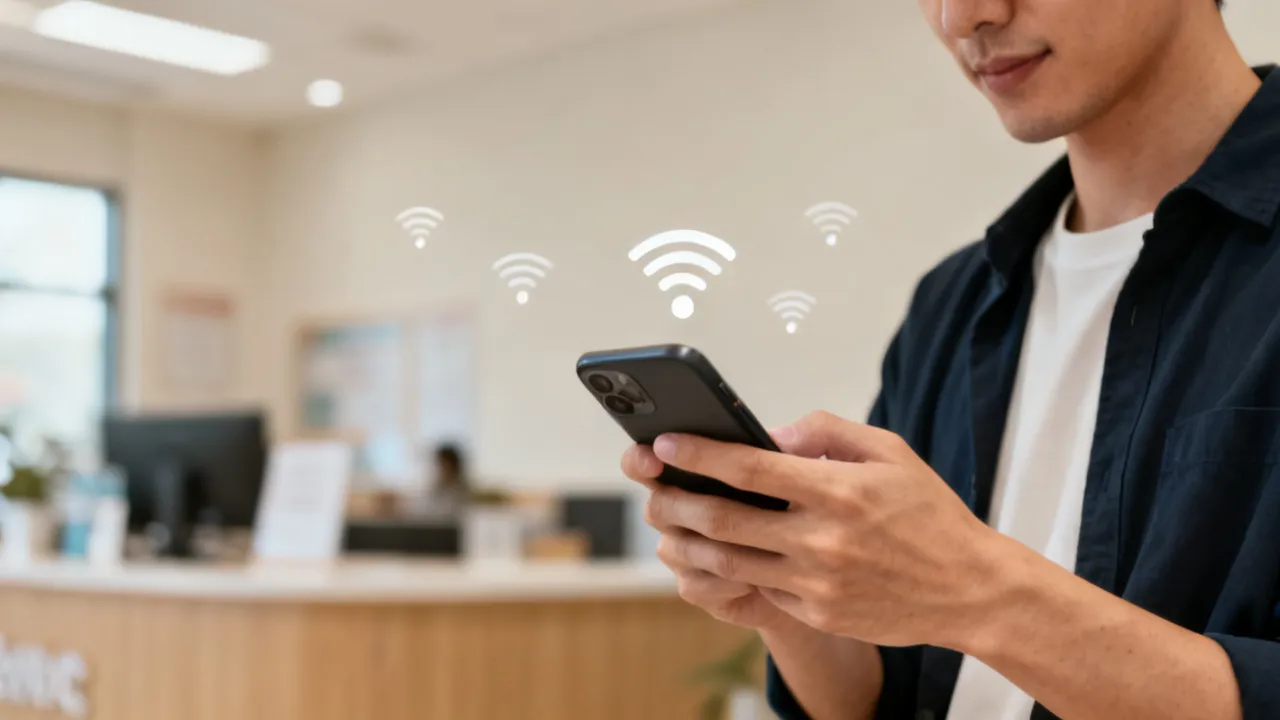
Understanding Cellphone Sale Dynamics
This guide offers an in-depth look at cellphone sales, exploring the strategies employed by service providers in offering smartphone deals. With the demand for connectivity soaring, key players like SafeLink Wireless, Assurance Wireless, and others provide a variety of enticing options for consumers. These services often include voice, text, and data offers, tailored to specific eligibility criteria. Guidelines and common prerequisites for availing such deals are also discussed.
The Changing Landscape of Cellphone Sales
In today's digital era, the significance of cellphones extends beyond mere communication; they serve as gateways to the internet, personal organizers, and entertainment hubs. As demand for affordable connectivity grows, understanding cellphone sale dynamics becomes crucial. This article explores the mechanisms behind cellphone sales, focusing on how service providers create value-driven packages to attract diverse consumer segments. These packages cater not only to the affluent but also to economically vulnerable populations, recognizing the essential role that cellphones play in accessing information, connecting socially, and managing daily tasks.
Strategic Offers by Service Providers
Service providers employ a range of strategic offers to boost cellphone sales, ensuring customers receive value while maintaining profitability. Companies like SafeLink Wireless, Assurance Wireless, StandUp Wireless, Access Wireless, and True Wireless have designed plans that provide innovative solutions for accessing communication technology at reduced costs. These plans often include several features such as unlimited calling, texting, or even data allowances tailored to meet the needs of varied customer segments.
In addition to affordable plans, service providers are increasingly focusing on customer experience to differentiate their offerings. For instance, many companies are integrating online customer service systems, offering 24/7 support via chatbots, and facilitating easy account management through mobile apps. These strategies aim to enhance user satisfaction and promote brand loyalty while simultaneously driving sales through positive customer experiences.
Comparison of Government-support Cellphone Plans
With various providers vying for consumer attention through enticing offers, the following table compares the core services offered by leading providers of government-supported phone plans:
| Provider | Included Services | Additional Costs |
|---|---|---|
| SafeLink Wireless | Affordable smartphone/bring-your-own-device options, unlimited text, calls, and data (varies by state) | Charges for premium device upgrades or extra data |
| Assurance Wireless | Affordable Android smartphone, unlimited talk and text, data allowances | Costs for high-speed data or international calling services |
| StandUp Wireless | Affordable phone or BYOD options, unlimited talk, text, and data plans | Fees for premium phone upgrades or additional data |
| Access Wireless | Unlimited voice and text, limited high-speed data | Charges for data boosts or device upgrades |
| True Wireless | Government-supported phones, voice and data plans | Optional better device or data plan upgrades |
Source: SafeLink Wireless, Assurance Wireless, StandUp Wireless, Access Wireless, True Wireless
Eligibility and Application Process
Access to these government-supported plans is contingent upon meeting specific criteria, primarily focusing on income and participation in government aid programs such as SNAP or Medicaid. To be eligible, applicants generally need to:
- Have an income at or below 135% of federal poverty guidelines for Lifeline or 200% for ACP.
- Participate in government assistance programs such as Medicaid, SNAP, SSI, or FPHA.
- Reside on Tribal lands for additional benefits.
The application process typically involves online submissions, requiring proof of eligibility. Applicants may need to provide documentation such as income statements or proof of participation in qualified programs, alongside valid ID. Some providers also offer in-person application assistance through community organizations, which can help individuals who are unfamiliar with technology navigate the application process more easily.
It’s crucial for potential applicants to note that the application process may vary between states and service providers, and remaining aware of deadlines and necessary documentation can significantly streamline the approval timeline.
Impact on Consumer Choice
The emergence of structured cellphone plans plays a significant role in shaping consumer choices, particularly for low-income households. By lowering barriers to smartphone access, these plans enable broader connectivity, thus enhancing personal and professional opportunities for users who may otherwise be excluded. This is particularly impactful amidst a landscape where access to the internet can dictate socio-economic mobility, job opportunities, and educational access.
Furthermore, as mobile technology advances, services beyond basic communication have become integral to daily functioning. Access to educational apps, online job applications, and telehealth services underscores the necessity for reliable phone services. In this context, government-supported plans do not merely function as safety nets but empower individuals and families to fully participate in the digital economy.
Challenges and Future Considerations
While these programs offer substantial benefits, challenges remain in terms of streamlining application processes and ensuring consistency across states. For example, applicants in certain regions may face longer wait times or additional hurdles due to bureaucratic inefficiencies. Future considerations may include expanding eligibility criteria and enhancing data limits as digital needs grow. Moreover, addressing the technology gap, particularly in rural and disadvantaged urban areas, is crucial for equitable access to services.
Providers continue to explore ways to enhance service delivery, adapting to technological advances, and better meet consumer expectations. This may involve partnerships with non-profit organizations to reach underserved communities, the introduction of customer loyalty programs to reward long-term users, and investments in infrastructure to improve service reliability.
Market Dynamics Influencing Cellphone Sales
The dynamics of the cellphone market are continuously influenced by several factors, including technological advancements, consumer preferences, and economic conditions. Advancement in mobile technology has ushered in an era not just of faster internet speeds, but also of features such as 5G connectivity, AI integration, and enhanced security measures that consumers increasingly demand.
Consumer preferences are shifting towards comprehensive packages that not only encompass mobile connectivity but also integrate value-added services such as streaming subscriptions, cloud storage options, and device protection plans. This market trend illustrates a consumer shift towards bundles that offer a holistic approach to technology, emphasizing the need for service providers to innovate consistently.
Economic conditions also play a pivotal role in shaping cellphone sales. Changes in disposable income, employment rates, and overall economic health can significantly impact consumer purchasing decisions. During economic downturns, for instance, consumers may opt for budget-friendly plans or delay upgrading their devices, pushing companies to adjust their marketing strategies accordingly.
Technological Trends Driving Sales
Several technological trends are driving cellphone sales, presenting opportunities for growth and innovation. The introduction of artificial intelligence (AI) features in smartphones has transformed user experiences, making devices more functional and user-friendly. AI capabilities not only enhance photography and optimize battery performance but also offer personalized user interfaces that cater to individual preferences.
Additions such as foldable phones and wearables also open up new avenues for sales. As consumers gravitate towards multifunctional devices that seamlessly integrate with their lifestyles, companies must keep pace with innovations that enhance usability and functionality. Moreover, with increasing interest in sustainable technology, manufacturers who prioritize eco-friendly practices in their production processes can resonate more deeply with environmentally conscious consumers.
Marketing Strategies for Cellphone Sales
A great deal of thought goes into the marketing strategies that cellphone providers implement to capture consumer interest. These strategies often revolve around the articulation of unique selling propositions (USPs), which clearly define what sets their offerings apart from competitors. Providers use elements such as promotional pricing, limited-time offers, and consumer incentives to build urgency among potential buyers.
In addition to conventional advertising through TV and online platforms, companies are increasingly engaging consumers through social media and influencer collaborations. This modern approach resonates particularly well with younger demographics who value authenticity and peer recommendations over traditional advertising methods.
Another strategy includes leveraging consumer data analytics to predict market trends and consumer behavior. By analyzing data, companies can tailor their promotional efforts to meet the needs and wants of their target demographics, thereby maximizing the effectiveness of each marketing campaign.
Looking Ahead: The Future of Cellphone Sales
As we consider the future of cellphone sales, several emerging trends and anticipated shifts could reshape how the industry operates. Anticipated advancements in 5G technology, expanded Internet of Things (IoT) ecosystems, and increased interest in artificial intelligence will dictate future innovations and consumer expectations. Moreover, the influence of regulatory frameworks and market dynamics will encompass a broader range of societal impacts, ensuring all market participants strive for transparency and inclusivity in their practices.
Investment in consumer education around technology usage and online safety will also become an integral part of the conversation as the reliance on cellphones continues to grow. Ensuring that consumers are knowledgeable and equipped to make informed decisions is paramount to maintaining a healthy market. Additionally, with the ongoing climate crisis, a shift towards more sustainable production and recycling practices can contribute to a more responsible cellphone industry.
FAQs
- What is the main eligibility criterion for government-supported phone plans?
Primarily based on income levels relative to federal poverty guidelines or participation in specific government assistance programs. - How can one apply for these cellphone plans?
The application involves online submissions, requiring applicants to provide proof of eligibility via necessary documentation. - Are there any hidden costs within these plans?
Yes, while basic services are typically covered, users can opt for upgrades or additional services that incur extra charges. - How do marketing strategies differ for cellphone providers?
Providers may leverage unique selling propositions, promotional pricing, and consumer data analytics tailored to target specific demographics. - What role does technology play in influencing consumer choices?
Technological advancements, such as AI and 5G, significantly shape consumer preferences, impacting purchasing decisions and expectations. - What future trends do you foresee for cellphone sales?
Expect growth in sustainable practices, consumer education on technology use, and a focus on inclusivity and accessibility in market offerings.
Conclusion
Navigating the landscape of cellphone sales involves understanding the strategic offers from providers targeting low-income demographics. As digital communication becomes increasingly vital, these plans offer a lifeline for those seeking connectivity amidst financial constraints. Ongoing enhancements to these programs are likely, as technological capabilities and user needs evolve. The challenges and opportunities presented by the rapidly changing technological landscape will require careful consideration by both consumers and providers to ensure that access to indispensable technology continues without exclusion.
Disclaimer: The information provided herein is sourced from online data available as of October 2023. This site cannot ensure that all applicants will obtain a government-supported phone; applicants should verify eligibility requirements with the respective provider. The content is subject to change and may not reflect real-time updates.