Navigating Government Phone Programs
This comprehensive guide explores cellphone sale options through government-sponsored programs. Cellphone sales are central to how these programs provide connectivity to underserved populations. This article assesses various providers, the services offered, and key eligibility criteria, offering a clear path for those seeking affordable communication solutions.
Introduction to Government-Sponsored Cellphone Sales
In our interconnected world, access to reliable communication devices is essential. Recognizing this, several government-backed programs offer affordable cellphone options to low-income individuals, ensuring ubiquitous access to crucial services. This article delves into the landscape of government cellphone sales, scrutinizing service providers, pricing, and eligibility criteria, helping consumers make informed choices.
Understanding Cellphone Sale Dynamics
Cellphone sales through government programs are not mere transactions but pivotal social services. These initiatives aim to bridge the digital divide by providing affordable devices and connectivity options that cater specifically to those who might otherwise be excluded from the digital revolution. Each of these programs can serve as a stepping stone towards more significant social inclusion, allowing participants to access educational resources, employment opportunities, and essential services.
In this context, it's crucial to understand that cellphone programs operate through several dynamics—government regulations, market competition, and technological advancements—all of which impact consumer experience. As we explore these layers, consumers can better prepare themselves to navigate the myriad of options available to them in the market.
Overview of Major Providers
Several key players administer cellphone sales under government programs, each offering distinct plans and eligibility prerequisites. Here, we list the prominent service providers:
| Provider | Services Offered | Additional Charges |
|---|---|---|
| SafeLink Wireless | Affordable smartphone or Bring Your Own Device (BYOD), unlimited text, calls, data (varies by region) | Costs for premium devices or extra data |
| Assurance Wireless | Affordable Android smartphone, unlimited talk/text, data packages | Charges for more data or international calls |
| StandUp Wireless | Affordable smartphone or BYOD, unlimited talk/text, data plans | Fees for high-end devices or extra data options |
| Access Wireless | Unlimited voice, text, limited high-speed data with Lifeline/ACP benefits | Payment for data boosts and device upgrades |
| True Wireless | Government-supported phones, voice/data plans | Optional better device upgrades/additional data costs |
Source: Visit the provider websites for detailed information: - [SafeLink](https://www.safelinkwireless.com) - [Assurance](https://www.assurancewireless.com) - [StandUp](https://standupwireless.com/) - [Access](https://www.accesswireless.com) - [True](https://www.gotruewireless.com/)
Guide to Eligibility and Application
Each provider offers unique plans and benefits, so understanding eligibility is crucial. Typically, qualifications are determined by federal or state income guidelines, or participation in government assistance programs like:
- Medicaid
- Supplemental Nutrition Assistance Program (SNAP)
- Supplemental Security Income (SSI)
- Federal Public Housing Assistance (FPHA)
For individuals residing on Tribal lands, additional perks may be available. Tribal members may have access to enhanced benefits, including higher data limits or additional allowances for devices. Prospective applicants should review the specific income requirements set by each provider, generally around 135% of federal poverty guidelines for Lifeline, and 200% for ACP, which can fluctuate based on local regulations and the discretion of the providers.
Application Process Explained
Applying for a government cellphone program involves several steps:
- Visit the desired provider's website.
- Complete an online application form.
- Submit proof of eligibility, such as income documentation or proof of program participation.
- Wait for eligibility validation and program enrollment, which can take anywhere from a few days to a couple of weeks.
It's essential to keep in mind that each provider may have unique requirements for the documentation needed for enrollment. For instance, you may be asked to upload your tax returns, pay stubs, or a letter from a government agency to confirm your participation in assistance programs.
Frequently Asked Questions
How quickly can I receive my phone after application?
Typically, the dispatch period ranges from a few days to a couple of weeks post-eligibility confirmation. Some providers may offer expedited shipping for an additional fee.
Can I upgrade my affordable phone after some time?
Yes, many providers offer upgrade options, but these usually come with additional costs associated with the new device or plan changes. Understanding the implications of an upgrade, including potential fees and how it might affect your existing plan, is vital.
Are there contract obligations associated with these plans?
No ongoing contracts apply, allowing users to adapt plans as needed without penalty. This flexibility is particularly important for low-income individuals whose financial situations may change frequently.
Is data truly unlimited?
Although text and call services are generally unlimited, data plans may vary based on location and provider plan specifics. It’s advisable to read the fine print to understand data throttling policies, meaning your service might slow down after you've used a certain limit of high-speed data.
Impact of Government-Sponsored Cellphone Programs
The introduction of these government-sponsored cellphone programs has far-reaching implications for society at large. Firstly, they enable individuals to access vital services, including healthcare and education, which is becoming increasingly digital. People can schedule medical appointments, participate in telehealth, and engage with educational platforms online—all fundamental aspects of modern life.
Furthermore, these programs can aid in job searches and employment opportunities. In today's job market, many applications and interviews can only be conducted online. Thus, access to a smartphone can significantly increase an individual's chance of securing employment, underscoring the socioeconomic importance of these initiatives.
In regions where traditional landline services are dwindling, cellphones provide a critical lifeline to communication. For many, owning a cellphone is not just a convenience but a necessity to connect with family, friends, and essential services.
Potential Drawbacks and Concerns
While government-sponsored cellphone programs offer considerable benefits, there are potential drawbacks and concerns worth discussing. The quality of service can vary widely depending on the provider and the location. Some users report issues with network coverage, dropped calls, and overall service reliability. Understanding the differences in service across providers can help consumers make more informed decisions about which program best meets their needs.
Moreover, while many programs promote their plans as "unlimited," there's often a cap on high-speed data usage. Once a user reaches this limit, they are typically subject to throttling, meaning their internet speed may be significantly reduced. This reality can hinder users' ability to access streaming services, efficiently browse the internet, or use data-heavy applications.
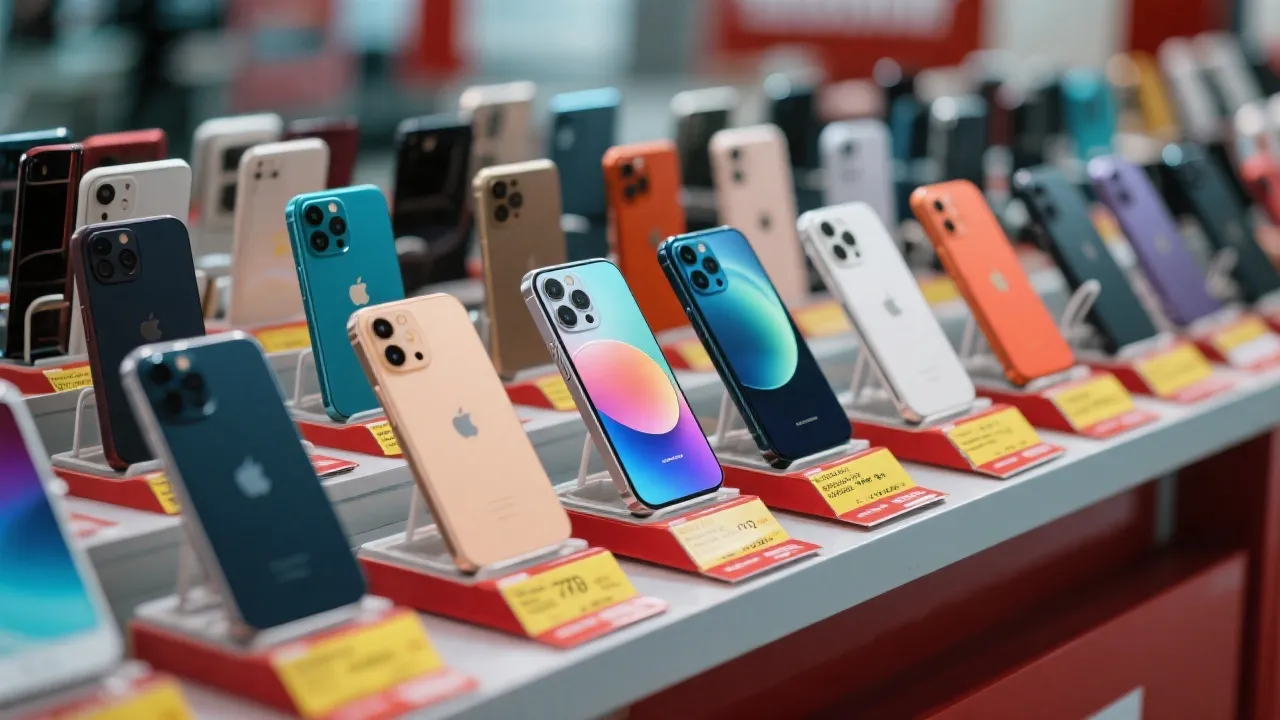
Another consideration is the range of devices available through these programs. While most providers focus on entry-level smartphones, they may not offer the latest devices with advanced features. For technology enthusiasts or those who require high-performance smartphones, this limitation can be a significant drawback.
Consumer Protections and Rights
Consumers have certain rights when dealing with government-sponsored cellphone programs. It's important to understand these protections to ensure you receive fair treatment. For example, under federal regulations, cellphone providers must inform customers about the terms of their service, including any potential fees, limitations, and the nature of the services provided.
Moreover, consumers should not be subject to discrimination based on income or participation in assistance programs. This principle is essential for promoting equity and access. If you believe your rights are being violated or you are experiencing discrimination, there are government agencies such as the Federal Communications Commission (FCC) where you can file complaints and seek resolution.
Future of Government-Sponsored Cellphone Programs
Looking ahead, government-sponsored cellphone programs are likely to evolve. Changes in technology, social needs, and policies will shape the future landscape. As 5G technology becomes ubiquitous, there's significant potential for these programs to provide even faster, more reliable service options.
Moreover, the increasing recognition of digital equity as a human right may lead to expanded programs that not only provide basic smartphone access but also encompass broader aspects of digital literacy, such as training on how to utilize technology effectively for personal and professional growth.
Innovations such as community-focused initiatives can also play a crucial role in providing low-income individuals with not only devices but also access to training and support networks that empower them to fully leverage the capabilities of their smartphones. As we embrace the future, it's crucial to consider how these efforts can be sustained and improved to serve the ever-changing needs of society.
Conclusion
Government cellphone programs play a crucial role in enhancing communication access, allowing individuals in low-income brackets to connect with the world around them. By fully grasping the available options and understanding eligibility criteria, beneficiaries can leverage these initiatives to their full potential.
As access to technology continues to evolve, it's equally important for consumers to stay informed about their rights and the services available to them. Knowledge about the intricacies of these programs can empower individuals to navigate their options better and ensure they receive the best possible experience.
For detailed queries or updates on application status, visiting the respective provider's official site is always recommended. Whether for job searching, healthcare access, or day-to-day communication, these programs represent significant strides toward bridging the digital divide and fostering inclusivity.
Disclaimer: The above information is culled from online resources as of October 2023. This site cannot assure guaranteed phone acquisition through the government program. Interested applicants should directly verify application prerequisites and obtain comprehensive guidance from the official provider's guidelines. Updates may not be immediate.
For further details, please refer to the source links stated above.