Navigating Affordable Cellphone Services
Discover affordable cellphone services through government-backed programs providing significant savings on devices and plans for eligible individuals. Cellphone sales today extend beyond mere discounts, tapping into federal support to bridge communication gaps. Learn how services like SafeLink, Assurance Wireless, StandUp Wireless, and others help ensure connectivity for underserved communities.
Understanding the Affordable Cellphone Initiative
In today’s digital age, cellphone access plays a crucial role in communication, education, and work. With increasing reliance on mobile devices for connectivity, it is imperatively essential to address the challenges faced by individuals from low-income households who struggle to access timely and reliable cellphone services. In response to rising connectivity needs, U.S. subsidy programs have emerged, enabling financially challenged individuals to procure essential mobile services. This article delves into notable programs paving the way for more inclusive cellphone affordability through significant discounts and affordable plans. These initiatives are more than just cost-saving opportunities; they are bridges to a technically inclusive society, allowing all citizens to participate fully in the increasingly digital economy.
The Importance of Cellphone Connectivity
Cellphones have transitioned from mere communication devices to multifaceted tools, providing myriad functions essential for daily living. They empower users to access critical services, like healthcare and education, especially in underserved areas. Telemedicine, for example, has gained tremendous traction, allowing healthcare practitioners to reach patients remotely, thereby enhancing access to necessary medical care. Similarly, educational institutions have embraced digital platforms that require reliable internet access, making it easier for students to learn, engage with peers, and submit assignments, regardless of their socioeconomic background.
Moreover, job seekers increasingly utilize mobile applications and online job portals to search for employment opportunities, make connections, and build networks. In a world where so much hinges on digital access, having a reliable cellphone is no longer a luxury—it is a necessity. The Affordable Cellphone Initiative exemplifies a proactive approach to ensuring that all citizens can remain connected to vital resources and opportunities, ultimately supporting economic mobility and stability.
Governing Initiatives Proposition
The United States government has established several initiatives aimed at providing low-cost mobile services to eligible citizens. The primary goal is to empower underserved populations, including low-income households, those on assistance programs, and individuals residing on Tribal lands. Such initiatives not only aim to make communication more accessible but also bridge the digital divide by providing affordable mobile phones and comprehensive services. The Lifeline program and the Affordable Connectivity Program (ACP) serve as the foundation for these efforts, ensuring that access to mobile communication is equitable and inclusive.
The Lifeline program, launched in 1985, was designed to provide discounted phone service to low-income consumers, while the Affordable Connectivity Program, established in 2021 as a part of the Infrastructure Investment and Jobs Act, extends these benefits to broadband internet services. Together, these initiatives enhance the quality of life for millions of Americans by improving access to essential services, including educational opportunities, healthcare, and employment.
Leading Government-Supported Cellphone Service Providers
Several prominent service providers play vital roles in offering government-supported cellphone plans. The five major players include SafeLink Wireless, Assurance Wireless, StandUp Wireless, Access Wireless, and True Wireless. Each provider has tailored services to cater to specific needs and requirements, ensuring that the eligibility criteria are met and consumers receive the most suitable plan for their individual circumstances. Here, we take a closer look at what each offers:
| Service Provider | Included Services | Additional Costs |
|---|---|---|
| SafeLink Wireless | Affordable smartphone, unlimited text/calls, data varies by plan | Premium device upgrades, extra data |
| Assurance Wireless | Affordable Android phone, unlimited talk/text, data allowances | Extra high-speed data, international calls |
| StandUp Wireless | Affordable smartphone/BYOD, unlimited talk/text, data plans | Premium upgrades, additional data costs |
| Access Wireless | Unlimited voice/text, limited high-speed data | Data boost, device upgrades |
| True Wireless | Government-supported phones, voice/data plans | Device upgrades, extra data options |
source: SafeLink Wireless, Assurance Wireless, StandUp Wireless, Access Wireless, True Wireless
Eligibility and Application Process
To qualify for these government-supported cellphone plans, applicants need to satisfy specific criteria encompassing both income levels and participation in governmental assistance programs. Here's a step-by-step guide to determine eligibility and navigate the application process effectively:
- Income Requirements: The applicant's income must be at or below 135% of the federal poverty guidelines for Lifeline or 200% for the Affordable Connectivity Program (ACP). To gauge your eligibility, consult the U.S. Department of Health and Human Services Office of the Assistant Secretary for Planning and Evaluation website, which publishes the federal poverty guidelines annually.
- Participation in Assistance Programs: Enrollment in government aid programs such as Medicaid, Supplemental Nutrition Assistance Program (SNAP), Supplemental Security Income (SSI), or Federal Public Housing Assistance (FPHA) can establish eligibility. These programs aim to provide comprehensive support to individuals and families, ensuring they receive essential assistance in times of need.
- Tribal Lands Residency: Residing on federally recognized Tribal lands may provide additional benefits. Native American communities often face unique challenges in accessing modern technologies, making it crucial for programs to specifically address these disparities.
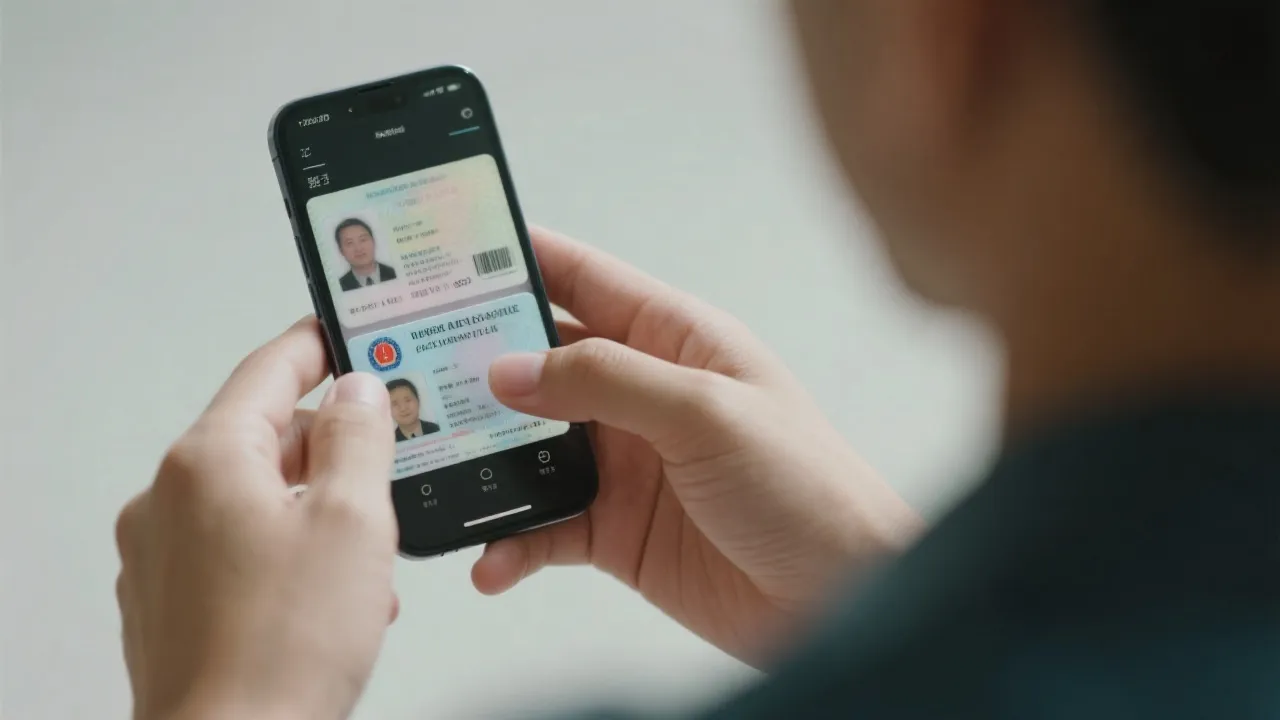
Applying for a plan is generally completed online. Each provider's website offers a straightforward application form where necessary documentation for eligibility verification can also be uploaded. Ensure you have pertinent documentation ready to expedite the process. Proof of participation in assistance programs or income documentation will be required. The application must be furnished with accurate information to avert delays or potential denial of service.
Further Insights on the Lifeline Program
The Lifeline program, initially implemented to provide telephone service to low-income citizens, has evolved to include mobile telecommunications as technology has advanced. This evolution is pivotal, especially as mobile phones have become the primary means of communication for many people. Lifeline offers eligible consumers a monthly discount on their wireless service, allowing them to maintain connection without the burden of high costs. The regulations stipulate that participants can receive either a discounted landline service or a mobile service, but not both. This option empowers consumers to choose a service that best aligns with their needs and circumstances.
In recent years, the Lifeline program has expanded to include broadband connectivity, acknowledging the essential role the internet plays in modern life. As such, eligible individuals can access home internet services at a reduced rate, ensuring they do not miss out on the technological advancements that enrich everyday living. This adaptability positions the Lifeline program as a crucial resource to combat digital inequities effectively, particularly important amid the connectivity challenges exacerbated by the COVID-19 pandemic.
Eligibility for Lifeline can vary somewhat between states and providers, affecting the way discounts are applied. There are also limits on the number of households that can receive Lifeline benefits, underscoring the necessity for verification, which further emphasizes the importance of understanding the application process in detail.
The Affordable Connectivity Program: Expanding Access
The Affordable Connectivity Program (ACP), a newer initiative, significantly builds upon the foundation laid by Lifeline by specifically targeting the high costs of broadband internet access. The ACP provides eligible households with discounts on their internet service bills as well as support for devices such as tablets and laptops. By doing so, it addresses a pressing need in society where a reliable internet connection is paramount for academic success, career advancement, and overall quality of life.
As families increasingly engage in remote work and online learning, the need for greater access to the internet becomes more apparent. The ACP recognizes that traditional measures may not sufficiently meet the needs of families with limited financial means, and thus it provides a lifeline for those who otherwise might be disconnected. Eligible households can receive a monthly discount on their internet service of up to $30 (or $75 for households located on qualifying Tribal lands), making a tangible difference in bridging the digital divide.
This program not only aids in connectivity but also recognizes the importance of digital literacy as a key component for success in today’s economy. Increased access to the internet facilitates burgeoning online learning opportunities, permits individuals to explore remote work possibilities, and allows for effective engagement with societal resources that can improve overall well-being.
FAQs
- What is the Lifeline program?
Lifeline is a government program designed to reduce the cost of communications services for qualifying low-income consumers. It offers discounts on phone services, ensuring users can stay connected to critical resources. - Can I bring my own device (BYOD) to the program?
Yes, many providers offer a Bring Your Own Device (BYOD) option, requiring compatibility checks against their specific network. This flexibility allows users who have maintained their devices to benefit from cost savings without necessarily acquiring a new phone. - What if I am not eligible?
If you do not meet the eligibility criteria through income or assistance programs, you cannot receive the benefits of these government-backed plans. However, various private service providers may offer competitive pricing options that align better with your financial situation. - Are there limits on how many times I can apply?
There are generally no limits on the number of times you can apply, provided you remain eligible based on the criteria set forth by the program. Regular reassessment ensures that benefits are distributed effectively to those in need. - What documentation do I need to apply?
Documentation varies by service provider but typically includes proof of income, proof of participation in aid programs, and identification. It's advisable to gather all necessary documentation before applying to prevent delays.
Disclaimer: The above information comes from online resources, with data accurate as of October 2023. This website cannot guarantee that applicants will secure a government-provided phone or service. Please refer to official provider criteria for specific application requirements and procedures. This website will not be updated in real time. Always ensure you check for the latest guidelines and eligibility criteria directly through official channels, as policies and programs continue to evolve to meet the needs of America's citizens.