Understanding Good Dental Implants
Discover the benefits, costs, and processes involved in obtaining good dental implants. This comprehensive guide explores options across various regions and offers insights into low-cost alternatives while ensuring quality care and effective results.

Introduction to Good Dental Implants
Good dental implants have revolutionized the way dental professionals approach the restoration of missing teeth. Unlike traditional dentures or bridges, dental implants provide a lasting solution that integrates with the jawbone, offering durability and a natural appearance. This article delves into various aspects of dental implants, including their benefits, the process of getting them, and considerations for choosing low-cost options without compromising quality. The exploration will not only highlight the technicalities and medical aspects but also delve into patient experiences, alternative therapies, and the future of dental implant technology.
What Are Dental Implants?
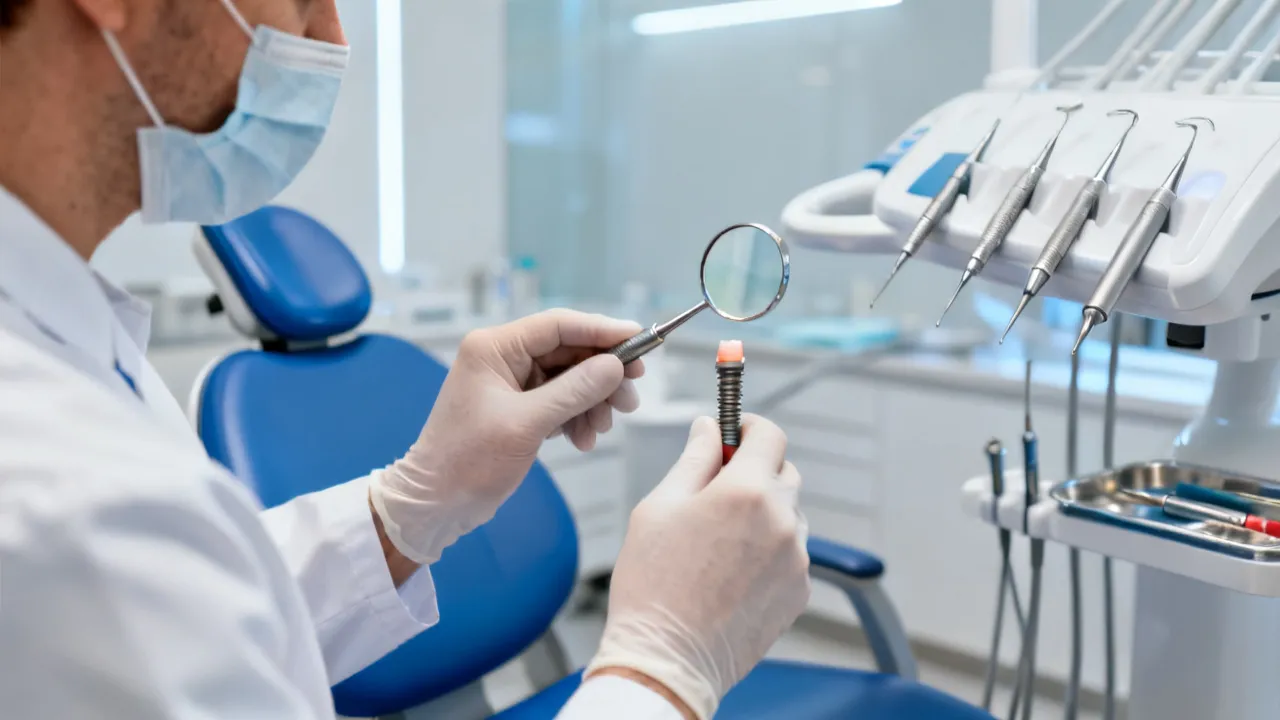
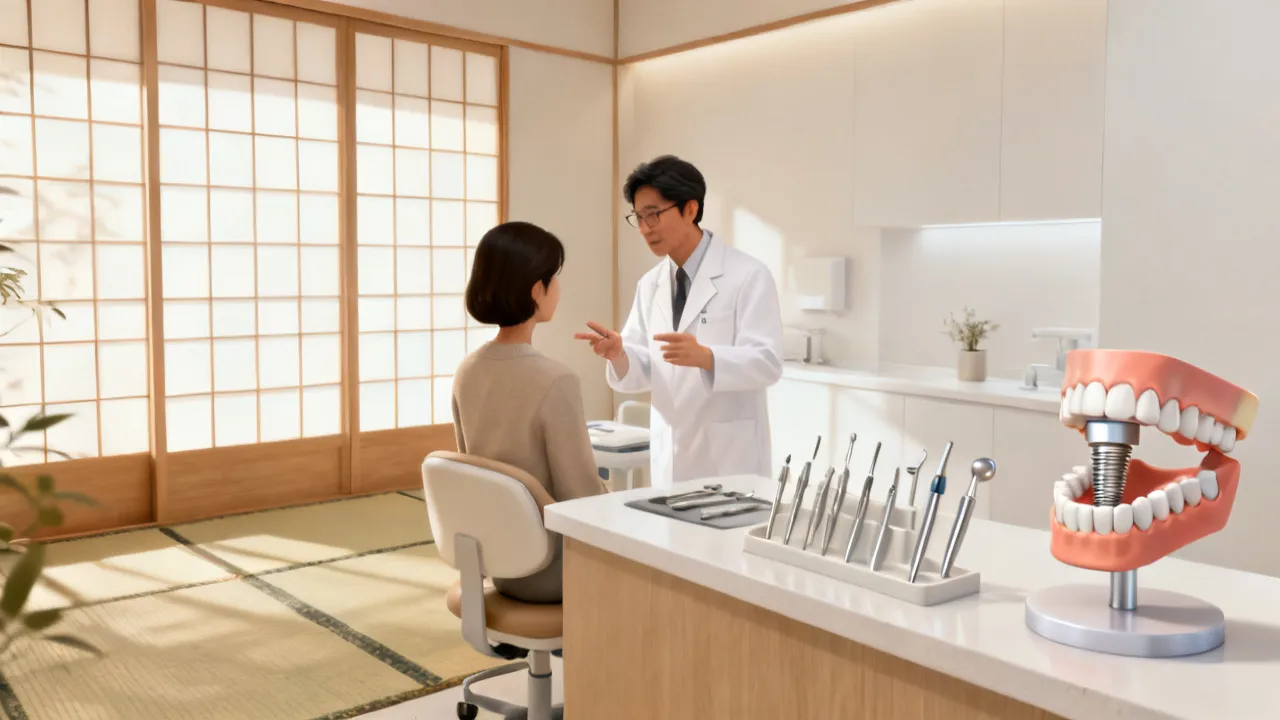
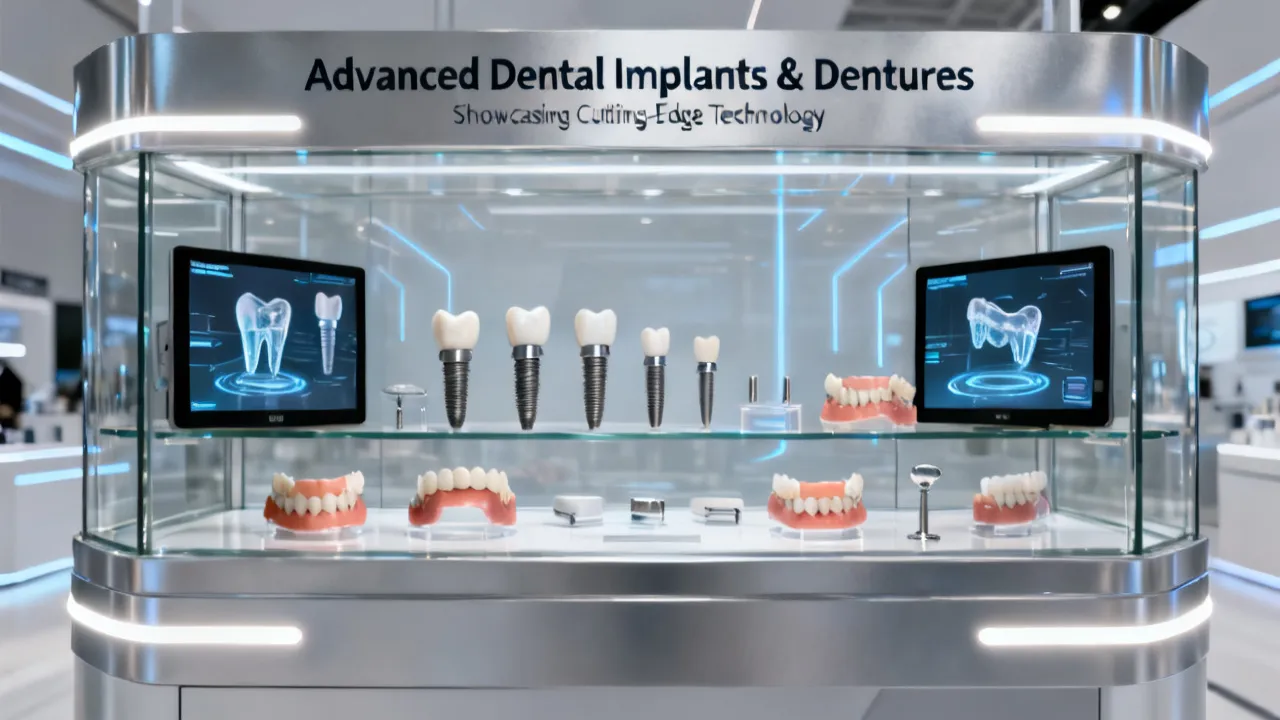
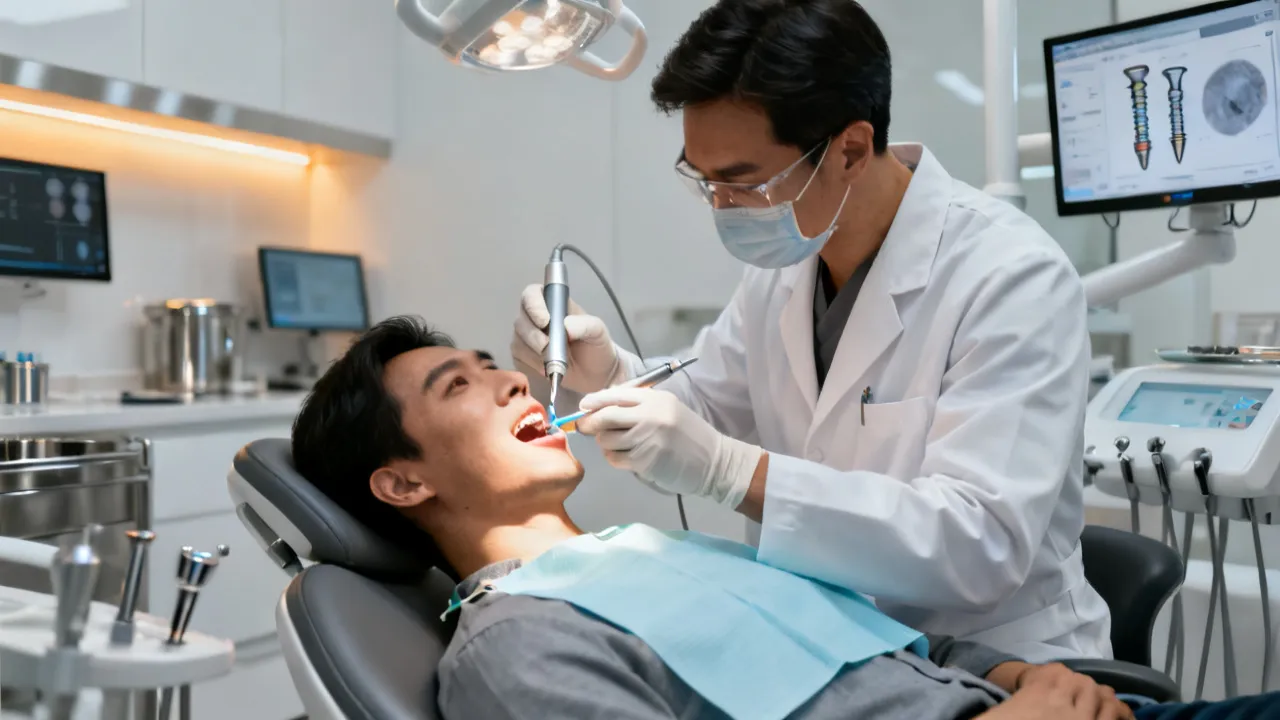
Dental implants are titanium posts surgically inserted into the jawbone, serving as a stable foundation for replacement teeth. Once healed, these implants bond with the bone, mimicking the natural tooth root. The implant process typically involves several stages:
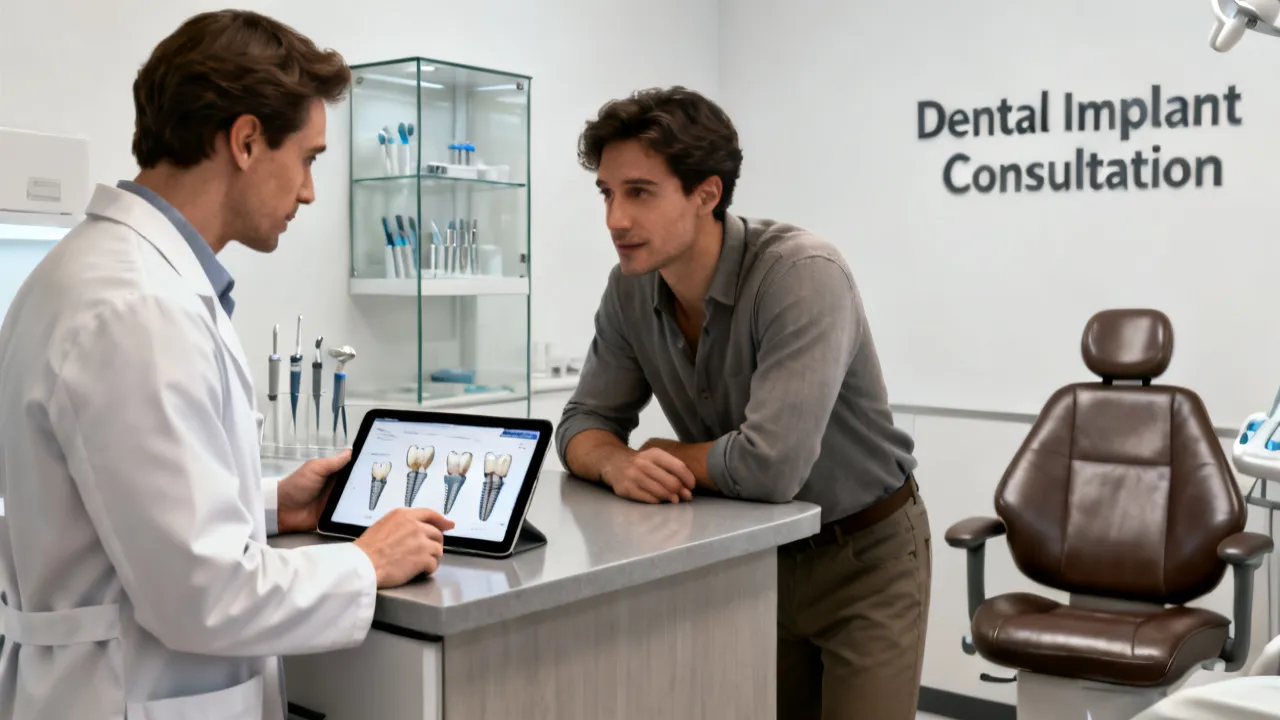
- Initial Consultation: A thorough dental examination and imaging studies to assess bone density and structure. This step is crucial as it helps to determine whether the patient is a suitable candidate for dental implants.
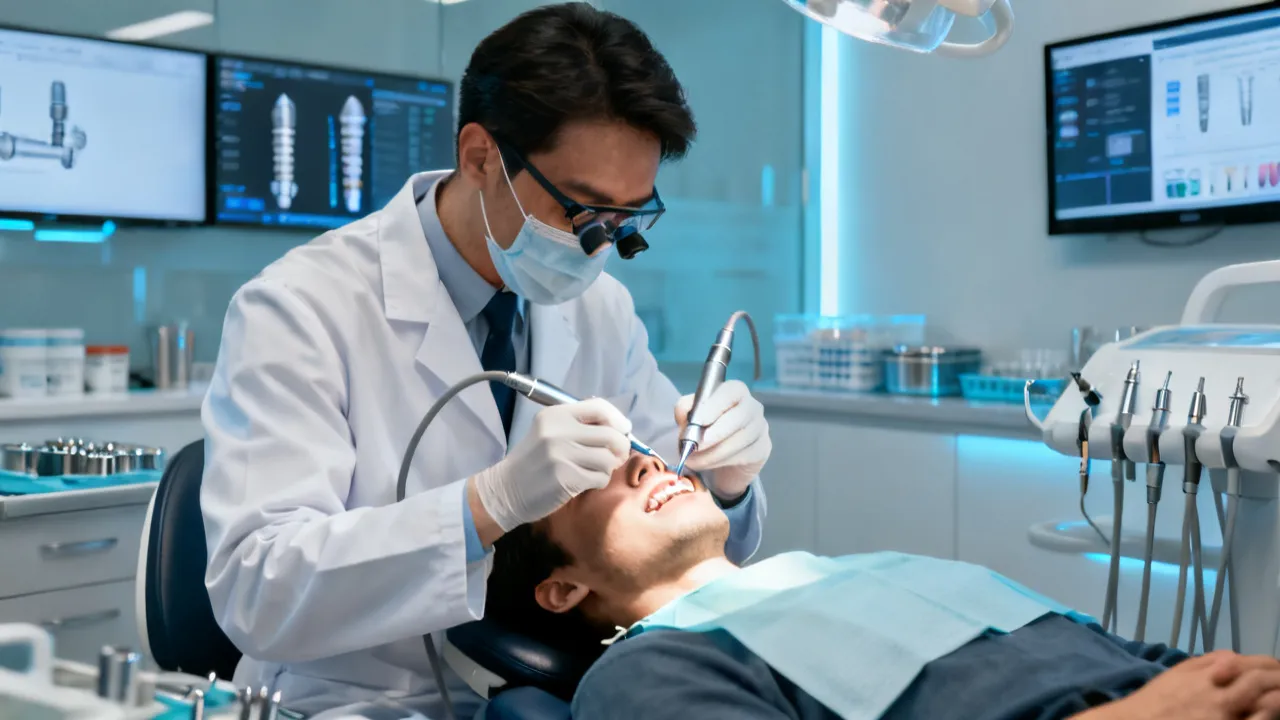
- Implant Placement: The surgical insertion of the titanium post into the jawbone is performed under local anesthesia, ensuring patient comfort during the procedure.
- Osseointegration: A healing period during which the bone grows around the implant, securing it in place. This can take several months and is vital for the stability of the implant.
- Abutment Placement: Once healed, an abutment is attached to the implant to support the final restoration. The abutment serves as the connector between the implant and the crown.
- Crown Placement: A custom-made crown is placed on the abutment, completing the restoration. The crown is designed to match the surrounding teeth, ensuring a natural appearance.
Moreover, advancements in dental technology have led to the development of various types of implants, including single-stage implants, mini implants, and immediate load implants, each tailored for specific clinical situations and patient needs. Understanding these options can help patients make informed decisions about their dental restoration.
Benefits of Good Dental Implants
Choosing good dental implants offers several advantages:
- Longevity: With proper care, dental implants can last a lifetime, making them a cost-effective solution over time. Unlike bridges, which may need replacement every 10-15 years, implants often provide a permanent solution.
- Natural Appearance: Implants are designed to look and feel like natural teeth, enhancing aesthetics. They can be customized to match the color, shape, and size of existing teeth.
- Improved Functionality: They restore chewing and speaking abilities without the discomfort often associated with dentures. Patients can enjoy their favorite foods without worry.
- Bone Preservation: Implants stimulate the jawbone, preventing bone loss that typically occurs with missing teeth. This stimulation is crucial for maintaining facial structure and preventing sagging.
- Enhanced Oral Health: Dental implants do not affect neighboring teeth, unlike bridges, which require alterations to adjacent teeth. This preservation of tooth structure contributes to better overall oral health.
- Comfort and Convenience: Unlike removable dentures, implants provide a permanent solution that does not need to be taken out for cleaning or overnight storage, making them more convenient for daily use.
Cost of Dental Implants
The cost of dental implants can vary significantly based on several factors, including location, the complexity of the procedure, and the materials used. Here’s a breakdown of the estimated price ranges for dental implants in various regions:
| Region | Price Range |
|---|---|
| United States (US) | $3,000 - $6,000 USD |
| United Kingdom (GB) | £2,000 - £2,500 GBP |
| Australia (AU) | AU$3,500 - AU$6,500 AUD |
| Canada (CA) | CA$3,000 - CA$5,500 CAD |
It's important to note that these prices may not include additional costs such as consultations, imaging, or follow-up visits, which can add to the overall expense. Additionally, factors such as the type of anesthesia used, the need for bone grafting, or the use of advanced technology can also influence the final cost.
Dental Implants in Nearby Spanish-speaking Countries
For patients considering dental implants in nearby Spanish-speaking countries, there are options that provide significant savings. Below is a table outlining the cost ranges in various countries:
| Country | Currency | Price Range |
|---|---|---|
| Spain (ES) | € | 1,500 - 2,500 EUR |
| Chile (CL) | CLP$ | 800,000 - 1,500,000 CLP |
| Mexico (MX) | $ | 15,000 - 25,000 MXN |
| Colombia (CO) | COP | 2,000,000 - 4,000,000 COP |
| Peru (PE) | S/ | 3,000 - 6,000 PEN |
| Argentina (AR) | $ | 80,000 - 150,000 ARS |
These options can make dental implants significantly more affordable for individuals who may not have the financial means to undergo the procedure in their home country. However, it is essential to consider the qualifications of the dental professionals and the standards of care in these countries.
Dental Implants in Nearby Portuguese-speaking Countries
In nearby Portuguese-speaking countries, the cost of dental implants can also be more affordable:
| Country | Currency | Price Range |
|---|---|---|
| Brazil (BR) | R$ | 3,000 - 8,000 BRL |
| Portugal (PT) | € | 1,000 - 2,000 EUR |
As with Spanish-speaking countries, patients should conduct thorough research to ensure they select reputable clinics and qualified practitioners. This process often involves reading reviews, checking credentials, and possibly arranging for consultations ahead of time.
Finding Low-Cost Dental Implants
Obtaining dental implants at a lower cost without sacrificing quality can be achieved through several strategies:
- Research Clinics: Look for reputable dental clinics that offer competitive pricing. Websites like Dental Views provide comprehensive comparisons of clinics and their services. It's advisable to review multiple clinics and seek recommendations from trusted sources.
- Dental Tourism: Consider traveling to countries known for affordable dental care, such as Mexico or Costa Rica. Websites like DentaVacation can help coordinate travel and treatment. Many dental tourism packages include accommodation and transportation, making it a convenient option for patients.
- Insurance Plans: Explore dental insurance options, such as those provided by ADHP, which can alleviate some of the costs associated with dental procedures. Some plans may cover a portion of the implant costs, significantly reducing out-of-pocket expenses.
- Payment Plans and Financing: Many dental clinics offer financing options or payment plans that allow patients to spread the cost of treatment over time. This can make the procedure more financially manageable.
- Promotions and Discounts: Keep an eye out for promotions, seasonal discounts, or special offers that some dental clinics may provide, especially for first-time patients.
Taking these steps can help patients find affordable dental implant options that do not compromise on quality or care.
Patient Experiences and Reviews
When considering dental implants, it's beneficial to read patient reviews and testimonials. Clinics such as Atlantic Dental Group and Rockville Dental Arts emphasize patient satisfaction and provide insights into the quality of care received by previous patients. This information can be invaluable in gauging the level of service and expertise offered by different practitioners.
Furthermore, many dental implant patients report positive outcomes, citing improved confidence and quality of life after the procedure. Detailed testimonials often include descriptions of the entire process, from the initial consultation to the final placement of the crown. Patients frequently share their experiences regarding the comfort of the procedure, the professionalism of the staff, and the effectiveness of post-operative care. These narratives can help prospective patients feel more at ease and informed about what to expect.
FAQs
1. Are dental implants painful?
Most patients report minimal discomfort during the implant procedure, as local anesthesia is used. Post-operative pain can typically be managed with over-the-counter pain medication. Some patients may experience swelling and tenderness for a few days, but this is generally manageable and subsides quickly.
2. How long do dental implants last?
With proper care, dental implants can last for many years, often a lifetime. Regular dental check-ups and good oral hygiene are essential for maintaining their longevity. Patients are encouraged to brush and floss daily and to visit their dentist regularly for cleanings and check-ups.
3. What is the recovery time for dental implants?
Recovery time can vary but generally takes a few months for the implant to fuse with the bone. Initial healing may take a week or two, while full osseointegration can take three to six months. During this time, patients may be advised to follow a soft food diet and avoid strenuous activities.
4. Are there any risks associated with dental implants?
As with any surgical procedure, there are risks involved, including infection, nerve damage, and implant failure. However, these complications are rare and can be mitigated by choosing a qualified dental professional. Patients should be aware of their health history and discuss any concerns with their dentist prior to the procedure.
5. What if I don’t have enough bone for an implant?
If a patient lacks sufficient bone density to support an implant, there are solutions such as bone grafting, which involves transplanting bone tissue to rebuild the affected area. This may add time and cost to the treatment but can ultimately allow for successful implant placement.
6. Can dental implants be placed in a day?
In some cases, immediate load implants can be placed, allowing patients to leave the dental office with a temporary crown on the same day. However, this option is only suitable for specific situations and requires careful evaluation by the dental professional.
Conclusion
Good dental implants offer a reliable and aesthetically pleasing solution for individuals with missing teeth. By understanding the costs associated with implants and exploring options for low-cost treatments, patients can make informed decisions regarding their dental health. Whether considering treatment in English, Spanish, or Portuguese-speaking countries, the key is to research thoroughly and consult with experienced professionals. The journey to restored dental health is a significant investment, but with the right information and planning, it can lead to enhanced quality of life and confidence.
References
Source links for more information:
Disclaimer: The above information comes from online resources, and the data is as of October 2023. Dental implant prices are for reference only and may vary by region, clinic, and doctor.